You don’t book a historic hotel in Amsterdam just for a bed. You book it for creaking staircases, canal views framed by 17th‑century windows, and the feeling that the building has seen centuries of stories before you arrived.
This guide focuses on historic hotels in Amsterdam where that heritage is documented and protected: canal houses on the UNESCO World Heritage Canal Ring, monumental buildings, and properties with officially recognized historic interiors. You’ll see how each one balances atmosphere with comfort, and which trade‑offs you’ll need to accept in older buildings.
The aim is simple: help you decide which historic hotel actually fits the way you travel—whether you want classic romance on the canals, literary history, or a grand palace stay in former merchant houses.
Why you can trust this guide
- Personally curated Hotels are chosen by our team — not by an algorithm or the hotels themselves.
- No sponsored placements No hotel can pay to appear here or to rank higher.
- Updated for 2026 Checked and refreshed for the 2026 season.
- 6 hotels compared We reviewed 6 hotels before choosing this shortlist.
- Editor-reviewed Reviewed by an editor before publishing.
Best Historic Hotels in Amsterdam By Traveler Type
Best picks based on 2026 heritage-focused rankings and confirmed historic status.
- Best overall historic hotel: Ambassade Hotel — authentic 17th‑century canal houses with strong literary and art heritage.
- Best historic hotel for couples: Hotel Estherea — richly decorated canal‑house hotel on the UNESCO Canal Belt with an intimate feel.
- Best luxury historic stay: Waldorf Astoria Amsterdam — six monumental canal mansions on Herengracht with five‑star facilities.
- Best “story‑rich” canal house ensemble: Pulitzer Amsterdam — 25 linked canal houses with preserved historic details.
- Best for a grand city‑square setting: Anantara Grand Hotel Krasnapolsky Amsterdam — long‑running landmark on Dam Square with a protected historic breakfast room.
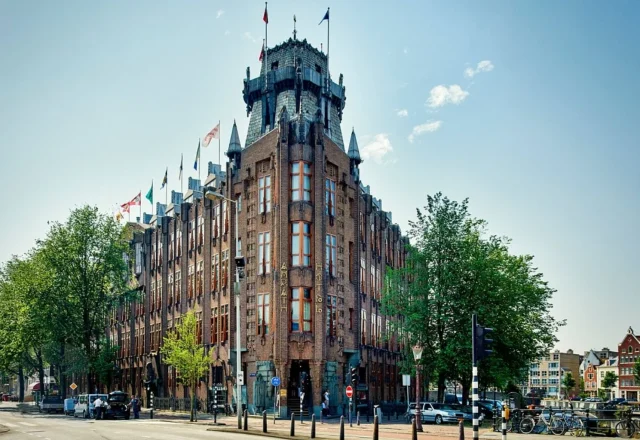
- Best for striking early‑20th‑century architecture: Grand Hotel Amrâth Amsterdam — dramatic former shipping headquarters with heritage interiors.
Quick Comparison Table: Historic Hotels Amsterdam
| Hotel | Best For | Luxury Strength | Location Style | Spa / Wellness | Dining Strength | Potential Drawback |
|---|---|---|---|---|---|---|
| Ambassade Hotel | Culture‑focused travelers, book lovers | Boutique charm with art and literary focus | Historic canal houses on Herengracht/adjacent canals | Not specifically highlighted | On‑site restaurant; art‑ and book‑lined lounges | Irregular layout; some stairs and level changes due to preservation |
| Hotel Estherea | Romantic stays, classic canal views | Plush décor in a heritage setting | UNESCO Canal Belt canal house | Not specified | Bar and lounge; breakfast on site | Rooms can feel compact; bold décor not for minimalists |
| Waldorf Astoria Amsterdam | High‑end luxury travelers | Full five‑star service in monumental mansions | Prime Herengracht, UNESCO World Heritage | Confirmed high‑end spa/wellness facilities | Fine‑dining level restaurants and bar | Premium pricing; formal atmosphere may feel less relaxed |
| Pulitzer Amsterdam | Design‑minded guests, repeat visitors | Stylish luxury within historic shells | 25 joined canal houses on UNESCO belt | Spa / wellness not highlighted as main feature | Multiple bars/restaurants on site | Long, maze‑like corridors; room sizes/layouts vary widely |
| Anantara Grand Hotel Krasnapolsky | First‑time visitors wanting central base | Large full‑service hotel with heritage dining room | Dam Square city landmark | Wellness offering exists but not heritage‑defining | Historic glass‑roofed breakfast room; several outlets | Busy tourist location; not on a canal |
| Grand Hotel Amrâth Amsterdam | Architecture fans, Art Nouveau lovers | Characterful early‑20th‑century monument | Near waterfront/Old Town edge in former shipping HQ | Spa / wellness available (not heritage‑defining) | Restaurant and bar in historic spaces | Style feels darker and more idiosyncratic; location a short walk from canals |
Beach Access column is “None” for all because these are urban city hotels with canal or city settings, not beach resorts.
Why Stay in a Historic Hotel in Amsterdam?
Historic hotels in Amsterdam let you sleep inside the protected cityscape you came to see instead of just walking past it. Many are in buildings designated as monuments or located within the UNESCO Canal Ring World Heritage Site, where strict rules protect façades, sightlines, and key interiors.
You gain atmosphere—beamed ceilings, uneven floors, canal views—but you trade some standardization. Rooms can be smaller or irregular, lifts don’t always reach every level, and corridors may twist through a chain of old houses.
For many travelers in 2026, that’s the point. Guest reviews across historic properties worldwide show a clear pattern: when the restoration is done well, people are happy to give up a bit of convenience for the feeling of staying somewhere with real history.
Amsterdam’s Architectural Heritage in Brief
Central Amsterdam is one of the nationally protected cityscapes of the Netherlands. The ring of 17th‑century canals—Singel, Herengracht, Keizersgracht, Prinsengracht—plus their surrounding streets form the UNESCO World Heritage Canal Ring. Behind those narrow gables sit former merchant houses, banks, and guild buildings that now host some of the city’s most characterful hotels.
Strict regulations under the Environment and Planning Act (Omgevingswet) and the city’s heritage rules shape how these buildings can be changed:
- Demolition and major alterations in protected zones require a permit.
- High‑rise is banned in the UNESCO area to preserve historic sightlines.
- Façades, rooflines, and many interiors must retain their historic character.
Several hotels in this guide occupy buildings recognized as monuments or sit directly within this protected zone, which is why they feel so different from purpose‑built modern hotels.
What Makes a Hotel “Historic” in Amsterdam?
In this guide, a hotel qualifies as “historic” if at least one of the following applies:
- Located in monumental canal houses or buildings listed as heritage monuments.
- Parts of the building (for example, a famous dining room) have official heritage status.
- The property is situated directly on the UNESCO‑listed Canal Ring in buildings from the 17th–18th centuries.
- The hotel’s layout and structure are constrained by preservation laws, keeping original staircases, floor levels, and façades.
The hotels below all meet at least one of these criteria, with many meeting several.
Top Historic Hotels in Amsterdam: Detailed Profiles
1. Ambassade Hotel
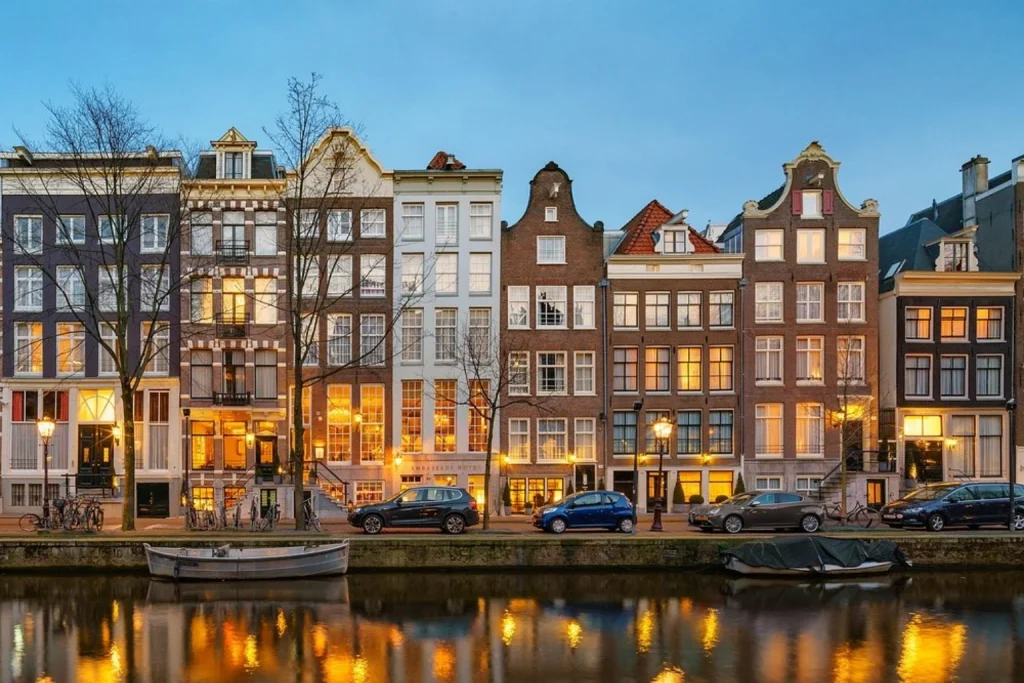
A cluster of 17th‑century canal houses stitched together into a single hotel, Ambassade Hotel consistently appears at the very top of 2026 “historic hotels Amsterdam” rankings. It’s known not just for its age, but for how actively it cultivates a literary and art identity inside those protected walls.
Because the buildings are subject to preservation rules, the hotel leans into their quirks instead of smoothing them out. Corridors bend, floor levels change, and rooms differ from one another in shape and size, echoing their original residential layout.
Why We Chose It
Ambassade is one of the clearest examples of a heritage hotel that still feels lived‑in and cultural, not museum‑like. The 17th‑century canal houses, confirmed historic status, and references to preservation laws in its own materials show that this isn’t just “old‑style décor” in a modern box.
The hotel also has a strong literary heritage, with a guest list that includes notable authors and a longstanding tradition of hosting writers. That adds a layer of cultural history beyond the bricks and beams.
Best For
- Travelers who care as much about books and art as canals and museums.
- Guests who want to feel the age of the building in their room layout and public spaces.
- Repeat Amsterdam visitors who prefer to stay in the heart of the historic canal belt rather than near big stations.
Potential Downsides
- The wonky layout that gives Ambassade character can be impractical if you prefer straight corridors and uniform rooms.
- Uneven floors, stairs between levels, and limited direct elevator access in some parts are side effects of heritage protections and may be challenging for those with mobility issues.
Key Highlights
- Located in 17th‑century canal houses within the protected historic center.
- Layout explicitly shaped by preservation and heritage laws.
- Strong literary tradition with a focus on authors and the arts.
- Canal‑front setting close to major historic sights.
- Intimate boutique scale rather than big‑box hotel.
2. Hotel Estherea
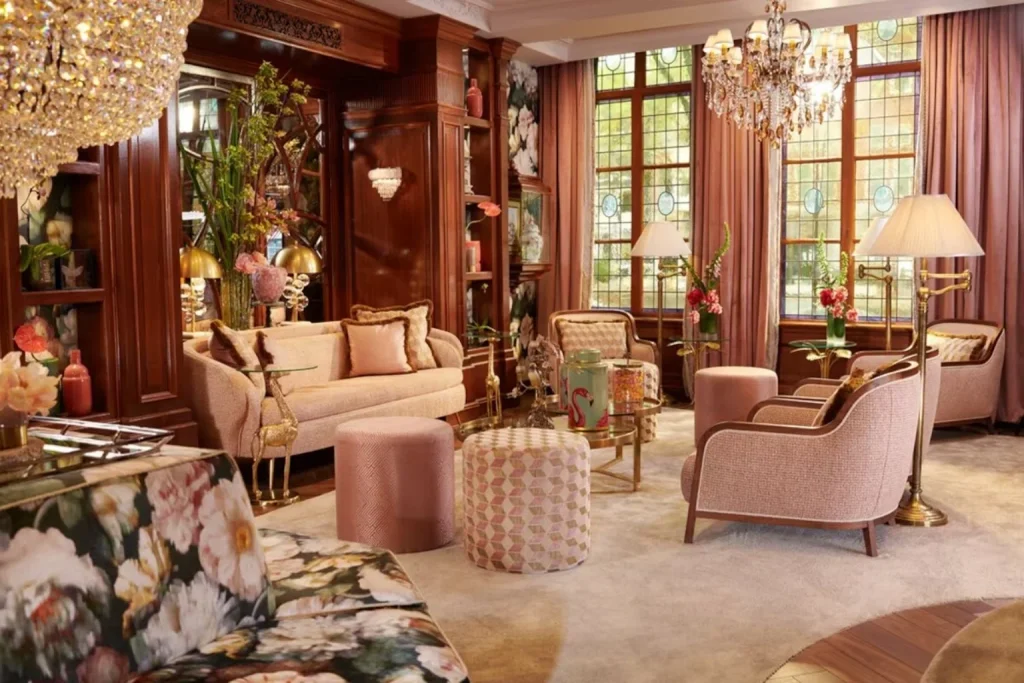
Facing one of the canals within Amsterdam’s UNESCO Canal Belt, Hotel Estherea is frequently ranked as the #1 “best value” historic hotel in 2026 heritage‑focused lists, with thousands of reviews praising its atmosphere.
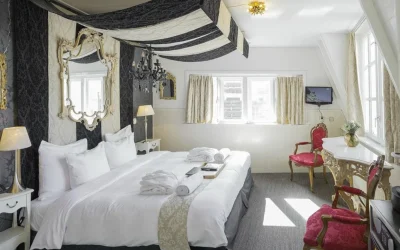
The property combines confirmed heritage status with a lush, almost theatrical interior style: patterned wallpapers, chandeliers, and richly colored fabrics. It leans into the canal‑house setting rather than trying to look like a contemporary design hotel.
Why We Chose It
Hotel Estherea stands out because it pairs verified heritage credentials—including its position on the UNESCO‑listed canal belt—with strong guest satisfaction. Its décor is often singled out as “exquisite” in terms of historic inspiration, and even the family scent is described as part of the hotel’s heritage story.
It’s also more accessible price‑wise than the ultra‑luxury canal‑mansion options, making it a good entry point into historic stays without stepping into full palace‑hotel territory.
Best For
- Couples looking for a romantic, visually rich base in a protected historic building.
- Travelers who want a canal‑view setting and heritage ambiance but don’t need a large spa or formal butler service.
- Guests who enjoy ornate interiors more than minimalist design.
Potential Downsides
- Rooms can feel compact compared with modern builds; that’s normal for canal houses but may surprise first‑timers.
- The heavily patterned décor and bold color choices aren’t ideal if you prefer very simple or Scandinavian‑style interiors.
Key Highlights
- Verified heritage hotel status with thousands of positive reviews.
- Located directly on the UNESCO Canal Belt.
- Distinctive historic‑inspired interior design throughout.
- Family‑run atmosphere; the family scent is part of the brand story.
- Central yet atmospheric canal‑house setting.
3. Waldorf Astoria Amsterdam
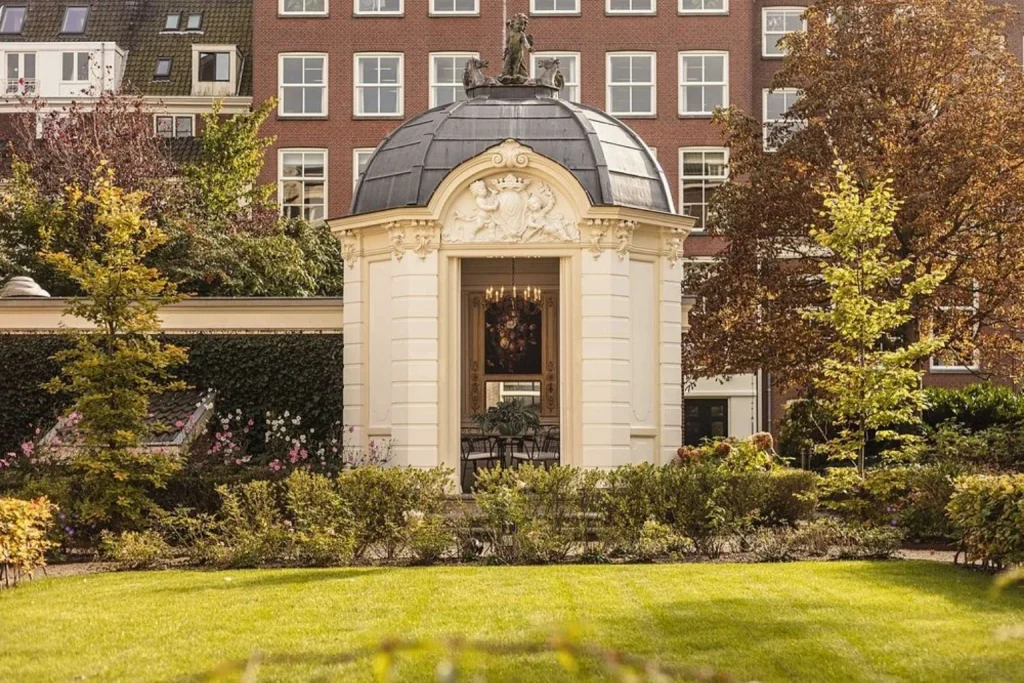
Waldorf Astoria Amsterdam occupies six monumental canal houses dating from the 17th and 18th centuries on the prestigious Herengracht, part of the UNESCO World Heritage Canal Ring. It ranks among Amsterdam’s top luxury properties in 2026 and is explicitly characterized as a set of monumental canal houses.
Here, you get the bones of centuries‑old merchant mansions combined with the full suite of modern five‑star services.
Why We Chose It
Among historic hotels in Amsterdam, Waldorf Astoria is the clearest fit for travelers who want uncompromising luxury inside genuinely historic shells. Its buildings are listed as monumental, and Herengracht itself is part of the UNESCO site, so the heritage status is robust.
At the same time, the brand delivers features that smaller canal‑house boutiques struggle to fit in, such as a full spa/wellness offering, high‑end dining, and larger suites carved across original house boundaries.
Best For
- Travelers who want the highest service level available among Amsterdam’s historic hotels.
- Guests celebrating special occasions, where heritage and luxury amenities both matter.
- Visitors who prefer a quiet, refined canal setting within walking distance of major sights.
Potential Downsides
- Pricing is firmly in the premium bracket, often above other historic options.
- The atmosphere leans formal and polished, which may feel less relaxed or bohemian than independent canal‑house hotels.
Key Highlights
- Six 17th–18th‑century monumental canal houses on Herengracht.
- Herengracht location within the UNESCO World Heritage Canal Ring.
- Recognized as a leading luxury hotel in 2026 rankings.
- Full spa and wellness facilities in a historic setting.
- High‑level dining and bar options on site.
4. Pulitzer Amsterdam
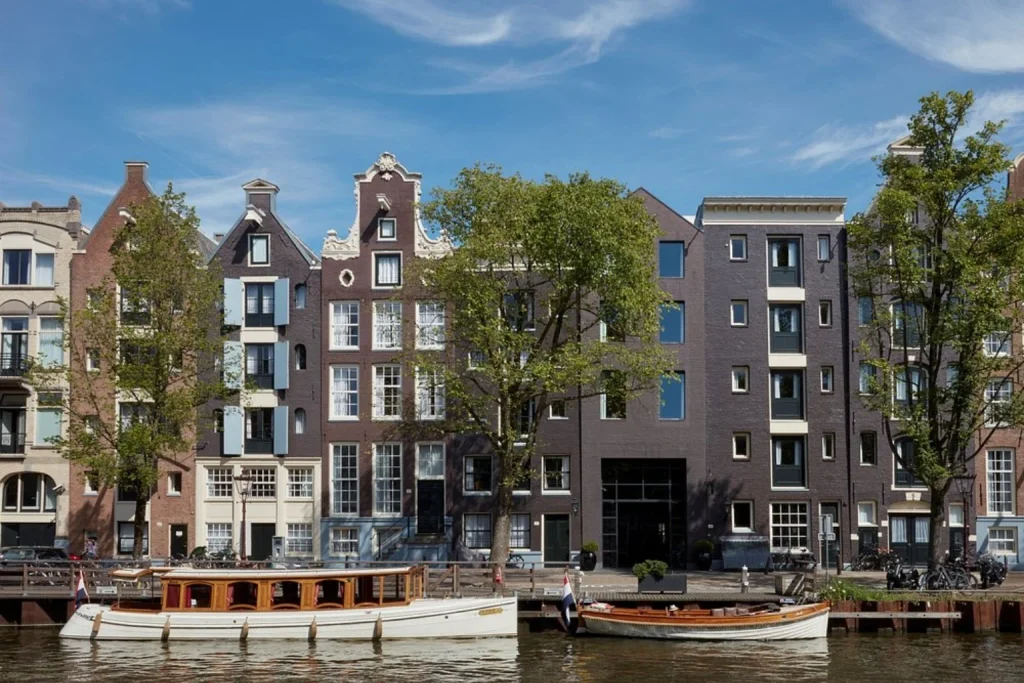
Pulitzer Amsterdam strings together 25 restored 17th–18th‑century canal houses, creating one of the most architecturally interesting hotel footprints in the city. Guests move through a sequence of former residences, courtyards, and passages that reflect centuries of urban life on the canals.
The restoration has been praised for preserving visible traces of the buildings’ former uses, including references to industrial heritage in elevator halls and other transitional spaces.
Why We Chose It
Pulitzer is a standout for travelers who enjoy complex architecture and design. Instead of smoothing everything into one anonymous interior, the hotel keeps a sense of each building’s origins while layering in contemporary styling.
Its position on several canals within the UNESCO belt, combined with the number of linked historic houses, gives it an especially strong connection to Amsterdam’s trading‑city past.
Best For
- Design‑savvy travelers who appreciate adaptive reuse of historic buildings.
- Guests who like exploring the hotel itself almost as much as the city.
- Repeat visitors keen to stay somewhere that feels distinctly Amsterdam, not like a generic chain.
Potential Downsides
- The 25‑house layout means long, sometimes maze‑like corridors; it can take a few days to orient yourself.
- Room sizes and shapes vary significantly, which is part of the charm but not ideal if you expect standardized layouts.
Key Highlights
- 25 restored 17th–18th‑century canal houses joined into one property.
- Location within the UNESCO Canal Belt.
- Restoration that intentionally highlights historic and industrial elements, including in elevator halls.
- Multiple on‑site bars and restaurants in characterful spaces.
- Strong 2026 guest ratings in “historic hotel” categories.
5. Anantara Grand Hotel Krasnapolsky Amsterdam

Standing on Dam Square, Anantara Grand Hotel Krasnapolsky (often still referred to simply as “Krasnapolsky”) is one of Amsterdam’s most recognizable hotels. Its glass‑roofed breakfast room is a designated heritage site, giving the property a specific, legally recognized historic interior.
The hotel itself has grown and evolved over more than a century, turning from a single property into a full‑block landmark that anchors the city’s central square.
Why We Chose It
Unlike the canal‑house hotels, Anantara Grand Hotel Krasnapolsky offers a large, full‑service experience in a historic city‑square setting. Its protected breakfast room, with its high glass roof and ornate structure, is widely referenced as a key heritage feature.
Its strong showing in 2026 “best value” and “historic hotel” lists, combined with its central location, makes it a good choice for travelers who want heritage touches but also appreciate the convenience of a big hotel.
Best For
- First‑time visitors who want to be right at the center of Amsterdam’s historic sights.
- Guests who enjoy large hotels with multiple dining options and public spaces.
- Travelers interested in seeing a protected historic interior used in everyday hotel life.
Potential Downsides
- Dam Square is one of the busiest tourist areas in Amsterdam; street noise and crowds are part of the package.
- The hotel doesn’t deliver the same canal‑house intimacy as smaller properties on the water.
Key Highlights
- Historic glass‑roofed breakfast room designated as a heritage site.
- Long‑standing city landmark on Dam Square.
- Strong presence in 2026 heritage‑hotel rankings.
- Multiple bars, restaurants, and event spaces.
- Easy walking access to the Royal Palace, Nieuwe Kerk, and main shopping streets.
6. Grand Hotel Amrâth Amsterdam
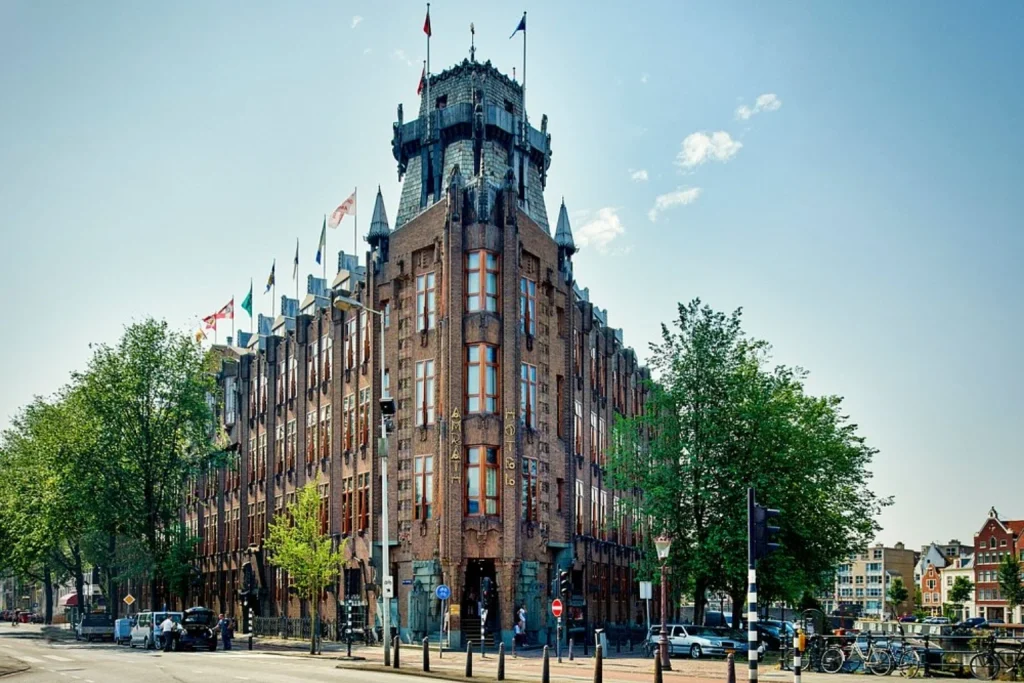
Housed in a dramatic early‑20th‑century building originally linked to shipping and navigation, Grand Hotel Amrâth Amsterdam offers a different flavor of history. The structure is tied to the city’s maritime and industrial heritage and is described in source material as a former shipping warehouse and navigation house, with references to earlier use as a weeshuis (orphanage) connected to a heritage site.
Architecturally, it moves away from canal‑house gables into more monumental, expressive forms typical of early‑1900s Dutch design.
Why We Chose It
Grand Hotel Amrâth adds architectural variety to a canal‑heavy list. It appeals to travelers who are as interested in Art Nouveau / early modernist styles and maritime history as they are in golden‑age canal houses.
Its ranking among the top “best value” historic hotels on 2026 lists shows that guests respond well to its characterful interiors and sense of place, even though it sits slightly off the main canal ring.
Best For
- Architecture and design fans who want early‑20th‑century heritage instead of purely 17th‑century charm.
- Travelers curious about Amsterdam’s maritime and industrial past.
- Guests who prefer a slightly quieter setting still within easy reach of the old center.
Potential Downsides
- The location is a short walk from the canals and core shopping streets, not directly on them.
- Interiors are bold and sometimes dark; travelers expecting light, classic canal‑house style may find it intense.
Key Highlights
- Former shipping warehouse/navigation‑related building with heritage connections.
- Ties to a former weeshuis (orphanage) recognized as a heritage site.
- Distinct early‑20th‑century architectural style, contrasting with canal houses.
- Recognized in 2026 historic‑hotel rankings.
- On‑site restaurant, bar, and wellness facilities.
How We Selected These Hotels
The hotels above were chosen based on:
- Inclusion in 2026 historic‑hotel rankings focused on Amsterdam.
Verified heritage indicators, such as
- Location within the UNESCO Canal Ring.
- Occupation of monumental canal houses or other listed historic buildings.
- Specific interiors recognized as heritage sites.
- Explicit references to preservation constraints (for example, layouts restricted by heritage law).
- Strong, consistent guest ratings in 2026.
- Evidence of sensitive restoration, where historical fabric is preserved while adding modern comfort.
- Coverage balance, so you see both canal‑house boutiques and larger landmark hotels.
We prioritized properties where the historic character isn’t a loose theme but structural reality: the age, protection status, or legal constraints of the building genuinely shape your stay.
Why These Hotels And Not Others?
Many hotels in Amsterdam describe themselves as “historic” because they have classic décor or occupy older buildings. The properties in this guide stand out because:
- They sit in documented historic structures—monumental canal houses, heritage‑designated interiors, or buildings with officially recognized past uses.
- They rank near the top of 2026 heritage‑specific lists, not just general hotel rankings.
- Their building stories are visible in the layout: irregular rooms, preserved staircases, evolving house chains, or large public spaces with protected architecture.
Hotels that may be excellent in terms of comfort but:
- Occupy newer buildings,
- Have weaker documented heritage status, or
- Treat “historic” as mainly a decorative style,
were not prioritized here.
Some widely known luxury properties in Amsterdam operate from historic structures but don’t share the same level of monumental canal‑house status as Waldorf Astoria or the cluster heritage of Ambassade, Estherea, and Pulitzer. Those can still be good choices, but they don’t anchor the city’s protected canal ring in the same way.
Modern Comfort vs. Historic Ambiance: What to Expect
Patterns in 2026 guest reviews of historic hotels worldwide—echoed in Amsterdam—show recurring themes:
- Rooms are rarely standardized. Expect different shapes, ceiling heights, and window positions even within the same category.
- Space is at a premium. Many canal‑house rooms are smaller than you might find in contemporary hotels at the same budget level.
- Infrastructure quirks exist: older plumbing shafts, uneven floors, or lower water pressure in some bathrooms.
In the best historic hotels:
- Climate control, bedding, and technology are fully modern, tucked into the old fabric without destroying it.
- Original details like stairs, paneling, and decorative plaster are preserved wherever possible.
- Public spaces—libraries, lounges, breakfast rooms—double as informal museums, filled with art or historic photographs.
If you value authenticity, these trade‑offs often feel worth it. If you need ultra‑functional layouts and maximum floor space, a newer property in a less regulated part of the city may suit you better.
Exploring Historic Neighborhoods Around Your Hotel
Most of the hotels above place you inside or next to areas with strong heritage protections, especially within the Singelgracht ring.
- UNESCO Canal Ring (Grachtengordel)
Ambassade, Estherea, Waldorf Astoria, and Pulitzer all sit in or near the core canals. Step outside and you’re walking through 17th‑century urban planning that’s protected from high‑rise and radical façade changes.
- Dam Square and Old Town
Anantara Grand Hotel Krasnapolsky anchors Dam Square, close to the Royal Palace, Nieuwe Kerk, and radiating medieval streets. Grand Hotel Amrâth lies slightly to the east, near the waterfront and older maritime quarters.
- Protected Cityscapes Beyond the Center
Amsterdam also has municipally protected neighborhoods outside the core—like Van Eesteren areas and garden villages—where the urban design itself is historically valued. Even if you don’t stay there, they’re worth a tram ride to see a different side of the city’s heritage.
Pair your hotel choice with walking routes along:
- Herengracht, Keizersgracht, and Prinsengracht.
- Dam Square to Centraal Station for 19th–20th‑century transport heritage.
- The eastern waterfront for maritime warehouses and repurposed industrial buildings.
Tips for Booking Historic Hotels in Amsterdam
- Read room descriptions closely
In canal houses and older monuments, two “deluxe” rooms can be completely different shapes. If layout matters, look for floor plans or ask the hotel for photos of specific rooms.
- Ask about access and elevators
Preservation laws often prevent radical changes to stairwells. Some parts of Ambassade, Pulitzer, or other canal‑house hotels might only be reached via stairs or short level changes even if there’s an elevator in the building.
- Consider noise trade‑offs
- Canal houses can be quieter at night but may pick up nearby bar or boat noise depending on the area.
- Dam Square properties like Anantara Grand Hotel Krasnapolsky sit in busy zones with more street activity.
- Balance budget with heritage intensity
- For full luxury with heritage, expect higher rates at Waldorf Astoria and some suites in other properties.
- For strong historic feel without ultra‑luxury pricing, Hotel Estherea, Ambassade, and parts of Pulitzer often hit a sweet spot.
- Book early for character rooms
Historically distinctive rooms—corner canal views, loft spaces under beams, suites in former salons—are limited by definition. They tend to be booked far in advance, especially in spring and over major events.
- Check sustainability upgrades if you’re sensitive to temperature
Amsterdam is encouraging energy upgrades in monuments, such as better insulation and discreet solar installations. If you travel in the hottest or coldest months, ask the hotel about climate control in historic rooms.
FAQs About Historic Hotels in Amsterdam
What defines a historic hotel in Amsterdam?
A historic hotel in Amsterdam is generally one that:
- Occupies 17th–18th‑century canal houses or other monumental buildings,
- Has interiors or façades protected under heritage or monument laws, and/or
- Sits directly on the UNESCO Canal Ring with documented historical significance.
The key difference from a “classic‑style” hotel is that heritage protection actually restricts what can be changed.
Which historic hotel in Amsterdam is best overall?
Based on 2026 heritage‑specific rankings and heritage verification, Ambassade Hotel and Hotel Estherea are standout all‑round choices, combining authentic canal‑house settings, strong guest satisfaction, and clear historic status. For full luxury with the same historic foundations, Waldorf Astoria Amsterdam is the top high‑end option.
Are historic hotels in Amsterdam suitable for guests with limited mobility?
It depends on the building. Preservation laws limit how much interiors can be altered, so:
- Some canal‑house hotels have narrow staircases and short flights between floors even when elevators are present.
- Larger properties like Anantara Grand Hotel Krasnapolsky and Waldorf Astoria Amsterdam tend to offer more accessible layouts, but you should still request specific accessibility information before booking.
Always contact the hotel directly about elevator reach, step‑free access to rooms, and bathroom setup.
Do historic hotels in Amsterdam have modern amenities?
The better‑maintained historic hotels usually offer:
- Modern climate control,
- High‑quality beds and linens,
- Reliable Wi‑Fi,
- Updated bathrooms, often in contrast to the very old structural shell.
Guest reviews in 2026 repeatedly highlight that top historic hotels can match modern properties for comfort, provided ongoing maintenance and upgrades are done sensitively.
Are rooms in canal‑house hotels very small?
Many are smaller or more irregular than in modern hotels because the original footprints were narrow and deep. Some properties carve larger suites across multiple former rooms, but you shouldn’t expect uniformly spacious layouts.
If space is important, look for:
- Suite categories,
- Corner or canal‑view rooms described as larger,
- Or consider a historic hotel with a broader footprint, such as Anantara Grand Hotel Krasnapolsky.
Which area of Amsterdam is best for historic hotels?
For classic Amsterdam scenery and protected heritage, the UNESCO Canal Ring within the Singelgracht is the prime area. That’s where you’ll find:
- Ambassade Hotel
- Hotel Estherea
- Waldorf Astoria Amsterdam
- Pulitzer Amsterdam
Dam Square and the surrounding Old Town offer a different type of history—royal, civic, and commercial—anchored by Anantara Grand Hotel Krasnapolsky and, slightly farther out, Grand Hotel Amrâth Amsterdam.
Are historic hotels in Amsterdam noisy?
Noise levels vary:
- Canal‑ring hotels can be relatively calm, especially on more residential stretches, but may pick up sound from boats, bikes, and nearby cafés.
- Properties on or near Dam Square typically experience higher levels of street noise due to constant foot traffic and events.
Ask for courtyard‑facing or higher‑floor rooms if you’re sensitive to noise.
How far in advance should I book a historic hotel in Amsterdam?
For peak tulip season (roughly April), summer weekends, and major events, booking several months ahead is sensible, especially if you want:
- Specific canal‑view rooms,
- Suites in historically significant parts of the building,
- Or stays at smaller canal‑house hotels with fewer rooms overall.
Conclusion: Choosing the Right Historic Hotel for You
If you want pure canal‑house atmosphere, Ambassade Hotel, Hotel Estherea, and Pulitzer Amsterdam put you straight into Amsterdam’s UNESCO‑listed ring with plenty of character. For travelers prioritizing service level and facilities without giving up heritage, Waldorf Astoria Amsterdam leads the pack.
If you prefer big‑hotel convenience in a historic setting, Anantara Grand Hotel Krasnapolsky offers a central Dam Square base with a protected dining hall, while Grand Hotel Amrâth Amsterdam showcases early‑20th‑century maritime architecture just beyond the main canal ring.
Before you book, weigh:
- How much quirk you’re happy with in room layouts,
- Whether you want intimate canal views or a central square location,
- And how important full spa facilities or on‑site dining are for your stay.
Choose the building story that matches your own priorities, and your hotel becomes part of the way you experience Amsterdam’s history rather than just a place to sleep.

Alison is a travel writer passionate about solo adventures, photography, and memorable getaways. She loves discovering beautiful destinations, distinctive stays, authentic local experiences, and hidden gems, creating stories that help curious travelers explore beyond the usual tourist highlights. Her work has been featured in Forbes, CNN, Travel + Leisure, Yahoo, and other major outlets.