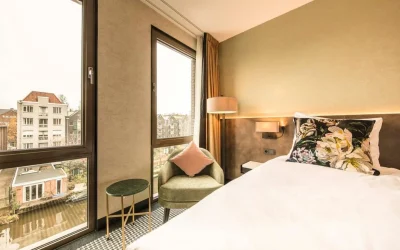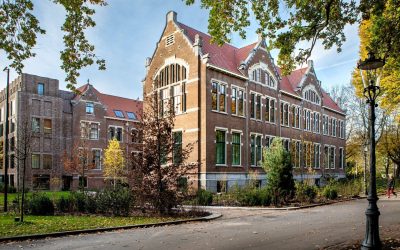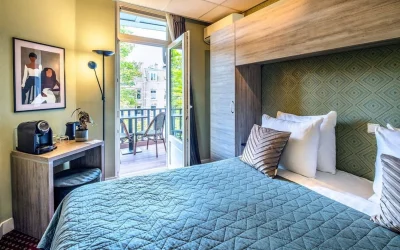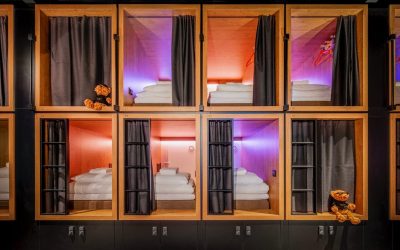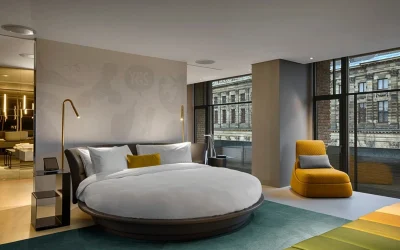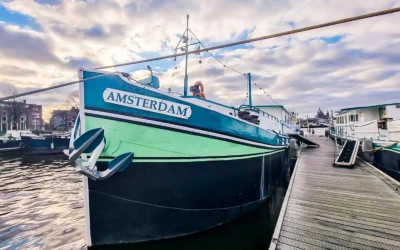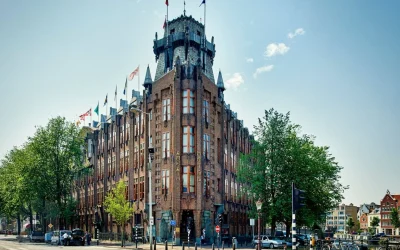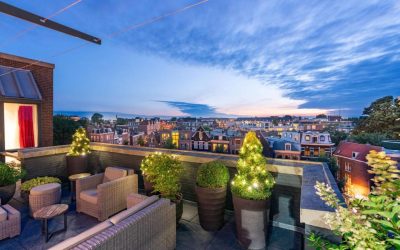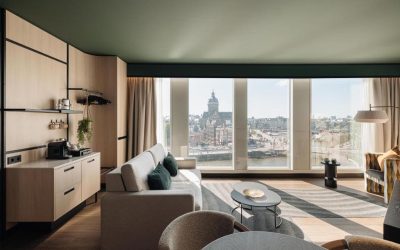
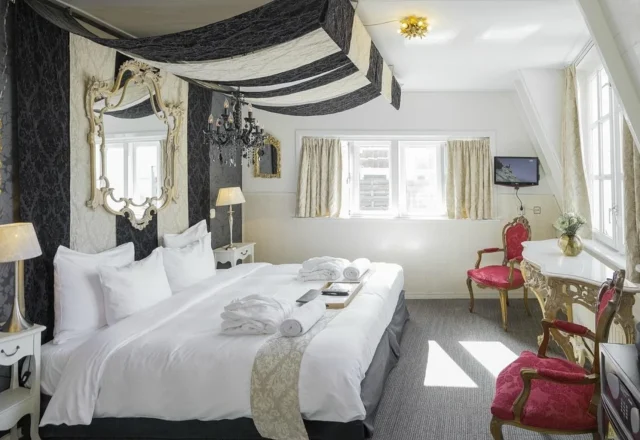
Looking for a small hotel in Amsterdam that feels personal, not packaged? The city is full of compact canal houses, characterful boutiques, and quiet hideaways—if you know where to look and how prices shift by neighborhood.
This guide focuses on genuinely small properties (typically under 50 rooms) and helps you match them to the right area, travel style, and budget. You’ll see how Jordaan differs from De Pijp, where boutique luxury fits, and what trade‑offs you accept when you go intimate instead of big‑box.
Why you can trust this guide
- Personally curated Hotels are chosen by our team — not by an algorithm or the hotels themselves.
- No sponsored placements No hotel can pay to appear here or to rank higher.
- Updated for 2026 Checked and refreshed for the 2026 season.
- 5 hotels compared We reviewed 5 hotels before choosing this shortlist.
- Editor-reviewed Reviewed by an editor before publishing.
Best Small Hotels In Amsterdam By Traveler Type
Best picks from the detailed list below.
- Best overall small hotel: Ambassade Hotel – classic canal‑belt setting, strong ratings, intimate scale.
- Best romantic splurge: Hotel Twenty Seven – 23-room five‑star boutique near Dam Square, personalized service.
- Best for design and dining: The Dylan Amsterdam – 40-room historic property with two Michelin‑starred restaurants.
- Best quiet central hideaway: Hotel Estherea – small boutique feel, central but slightly away from the busiest streets.
- Best character on a (relative) budget: Rosalia’s Menagerie – 23-room inn above a cocktail lounge, eclectic and walkable.
Each works best for different priorities—location, food, budget, or privacy—so use the table below as a quick filter, then read the individual sections.
Quick Comparison Table: Small Boutique Hotels in Amsterdam (Under ~50 Rooms)
| Hotel | Best For | Luxury / Comfort Strength | Location Style | Spa / Wellness | Dining Strength | Potential Drawback |
|---|---|---|---|---|---|---|
| Ambassade Hotel | Classic canal stay, couples | High comfort, boutique feel | Historic canal belt | Not specified | On-site restaurant, bar/library | Canal-belt pricing; popular dates sell out |
| Hotel Estherea | Quiet central base, city-breakers | Stylish, characterful rooms | Central but slightly tucked away | Small gym confirmed | Bar; dining options nearby | Central area can still feel busy |
| Hotel Twenty Seven | Romantic splurge, special occasions | Five-star boutique retreat | Dam Square area, city views | Not specified | High-end dining nearby; hotel F&B not fully detailed | Premium pricing, very small room inventory |
| The Dylan Amsterdam | Food-focused travelers, design fans | High-end design, luxury finish | Canal belt, historic 17th‑century complex | Not specified | Two Michelin-starred restaurants on-site | Positioned firmly in premium price range |
| Rosalia’s Menagerie | Character stays, solo/couples | Cozy, eclectic comfort | Central, canal-front | Not specified | Strong breakfast; bar downstairs | Being above a cocktail lounge may mean some noise |
Beach access is intentionally marked “None” across the board: these are city hotels, not coastal resorts.
Why Choose Small Hotels in Amsterdam?
Defining “Small Hotel” – What to Expect
In Amsterdam, “small hotel” usually means:
- Compact size: Often under 50 rooms, sometimes fewer than 25.
- Historic buildings: Many occupy 17th‑century canal houses with narrow staircases and quirky layouts.
- Personal service: Staff often recognize you by name and can tailor restaurant or museum suggestions.
- Design over uniformity: Individually decorated rooms, libraries, artwork, and one‑off details instead of standardized brand décor.
You trade some big‑hotel conveniences—like huge lobbies or multiple elevators—for atmosphere, location charm, and staff who actually remember your plans for the day.
Benefits Over Large International Hotels
Choosing a small hotel in Amsterdam usually gets you:
- Stronger sense of place: Canal views, creaky floorboards, and local art versus generic lobbies that could be anywhere.
- Quieter experience: Fewer package groups and tour buses; better for couples and solo travelers who value calm.
- More local connections: Staff recommendations often focus on nearby cafés, neighborhood bars, and lesser‑known museums.
- Better fit with 2026 trends: Boutique hotels are quicker to adopt visible sustainability changes and “invisible tech” like contactless check‑in and energy‑saving systems.
The trade‑offs:
- Less space: Smaller rooms, fewer communal areas, sometimes tight staircases instead of big lifts.
- Limited availability: With 20–40 rooms, key weekends and events sell out early.
- Price vs. size: You may pay central Amsterdam rates for a compact room because you’re paying for character and location, not square meters.
Top Neighborhoods for Small Hotels in Amsterdam
Matching your small hotel to the right neighborhood has as much impact as the hotel itself.
Jordaan – Charming and Historic
Jordaan feels like a village inside the city. Narrow canals, modest 17th‑century houses, and side streets full of boutiques and cafés.
- Accommodation style: Intimate canal‑house hotels and hostels, from budget spots like Shelter Jordan to design‑focused boutiques such as Mr. Jordaan and nearby luxury at The Dylan Amsterdam.
- Local feel: Independent vintage shops, specialty food stores, and tiny cafés define daily life here.
- Signature experience: Saturday Noordermarkt for organic produce and artisans, followed by slow walks along the smaller canals.
Best for: Creatives, food lovers, and anyone wanting a “local but central” base instead of a high‑traffic tourist zone.
Key trade‑off: Fewer large hotels; small properties fill quickly, and stairs can be steep in historic buildings.
De Pijp – Trendy and Lively
De Pijp is Amsterdam’s most multicultural, food‑driven area, with a dense mix of bars, cafés, and budget eats.
- Accommodation style: Mix of budget‑friendly spots like female‑only Hostelle, design‑forward mid‑range hotels, and high‑end properties such as Hotel Okura on the edge.
- Local feel: Informal, buzzy, and young; nightlife and casual dining dominate.
- Signature experience: Wandering the Albert Cuyp Market, grabbing Surinamese, Turkish, and Dutch snacks within a few streets, then relaxing in Sarphatipark.
Best for: Budget travelers, solo travelers, and food explorers who don’t mind some late‑night street noise.
Key trade‑off: Slightly farther from the postcard‑perfect canal belt; you’ll walk or tram to the most photographed canals.
Canal Belt (Grachtengordel) – Iconic and Picturesque
The Canal Belt is the classic postcard: grand, interconnected canals lined with tall, leaning townhouses.
- Accommodation style: High‑demand boutique hotels in historic canal houses, such as Hotel Pulitzer and smaller properties like Ambassade Hotel or The Dylan Amsterdam.
- Local feel: More polished and romantic, with easy walking to Nine Streets, the Anne Frank House, and central sights.
- Signature experience: Evening canal walks, bridges lit at night, and brown cafés for long, candlelit drinks.
Best for: First‑timers, couples, and anyone focused on the “film‑set Amsterdam” experience.
Key trade‑off: It’s the city’s priciest area; average small‑hotel prices here in July 2026 are toward the top end of Amsterdam’s range.
Oud‑West – Up‑and‑Coming With Local Vibes
Oud‑West sits just west of the canal belt, mixing residential streets with a strong food and design scene.
- Accommodation style: Fewer big hotels, more boutique properties and apartments; often better value than the immediate canal belt.
- Local feel: Relaxed and lived‑in, with plenty of cafés and bars locals actually use.
- Signature experience: Food halls and street‑side terraces, markets, and easy access to Vondelpark.
Best for: Families, design fans, and travelers who want local life without giving up easy access to central canals.
Key trade‑off: Not quite as immediately “wow” as the canal belt; you walk a bit farther for those iconic views.
Best Small Hotels in Amsterdam for an Intimate Stay (2026 Edition)
Below are five standout small hotels under roughly 50 rooms, all with strong guest ratings and clear reasons to choose—or avoid—them.
1. Ambassade Hotel
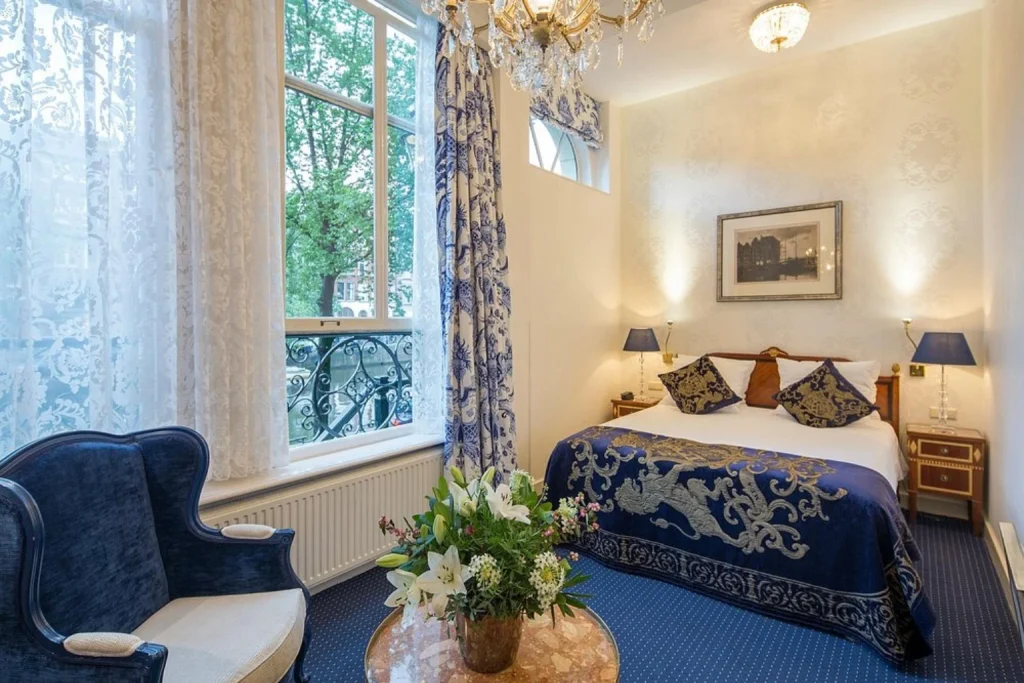
Ambassade Hotel is a classic boutique choice right in the historic canal district, combining canal views with a strong reputation for personal service and a literary‑leaning bar/library.
Why We Chose It
It brings together several things small‑hotel travelers want: a central canal‑belt address, around 40 unique rooms, canal‑view options, and an in‑house restaurant and bar. Guest ratings are high (around 4.9/5 from thousands of reviews), and service is frequently highlighted.
Best For
Couples and culture‑minded city‑breakers who want a “quintessential Amsterdam canal house” feel, strong service, and walkable access to major sights.
Potential Downsides
- Canal‑belt rates are on the higher side compared with outer districts.
- Limited room inventory means popular weekends and events can sell out early.
- Historic building layout may mean some smaller rooms or less uniform room sizes.
Key Highlights
- Boutique scale at roughly 40 rooms.
- Canal‑view rooms available.
- In‑house restaurant plus bar/library space.
- Central canal‑belt location within walking distance of core attractions.
- Consistently strong guest ratings referencing professional, personal service.
2. Hotel Estherea (Hotel Estheréa)
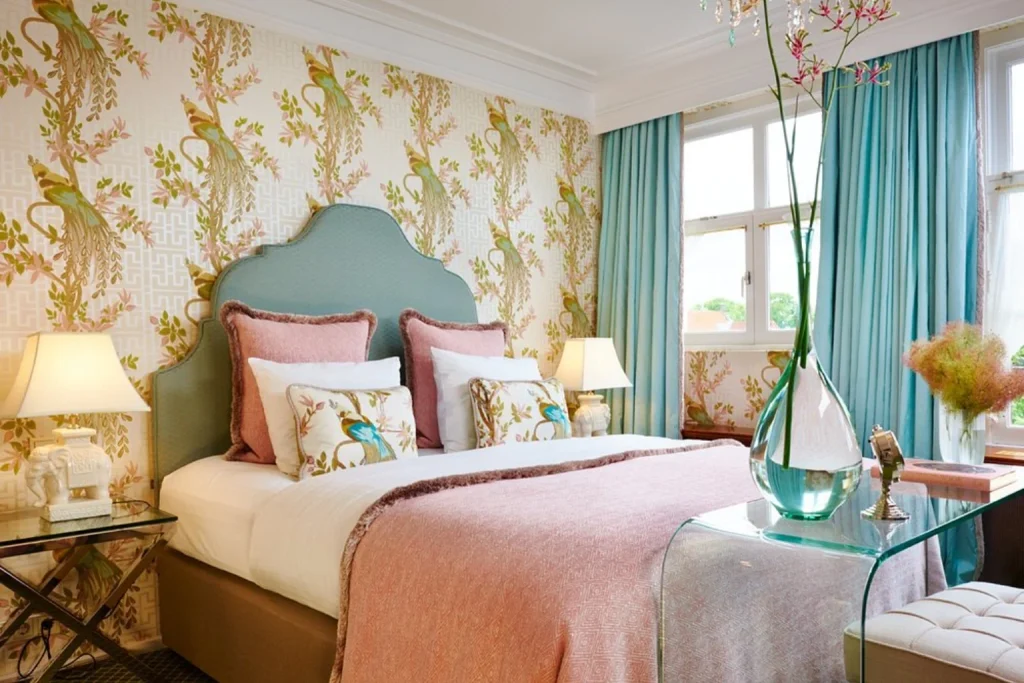
Hotel Estherea is a small, highly rated boutique property in central Amsterdam, known for richly decorated interiors and a quiet yet convenient position.
Why We Chose It
It combines characterful design with a central location that’s slightly set back from the busiest tourist corridors. Around 40–45 rooms keep things intimate, and guests highlight both the bar and the presence of a gym, which is less common in smaller canal‑house hotels.
Best For
Travelers who want to be centrally located without being right on top of the noisiest nightlife; couples on a short break; solo travelers who prioritize atmosphere and safety.
Potential Downsides
- You’re still in the central zone, so streets can feel busy at peak hours.
- Historic building means room layouts vary; not all rooms will be equally spacious.
- No full spa program confirmed—wellness is limited mainly to the gym.
Key Highlights
- Boutique‑size property (around 40–45 rooms).
- Central but slightly tucked‑away location.
- On‑site bar with character.
- Confirmed gym facilities.
- Individually designed rooms with strong guest feedback on décor and service.
3. Hotel Twenty Seven
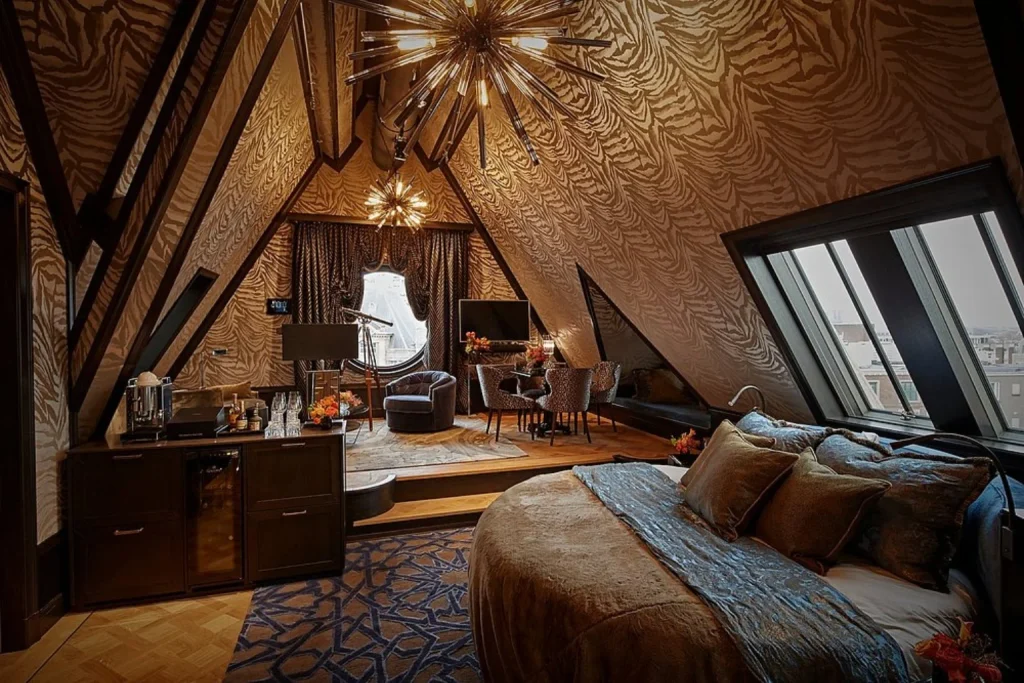
Hotel Twenty Seven is a 23‑room five‑star boutique hotel near Dam Square, offering high‑end service and city views tailored to special‑occasion stays.
Why We Chose It
With only 23 rooms and a 5.0/5 guest rating from hundreds of reviews, it’s one of Amsterdam’s most exclusive small hotels. Location near Dam Square places you right in the city center, with rooms described as having standout views and highly personalized service.
Best For
Honeymooners, anniversary trips, and travelers planning a once‑in‑a‑decade splurge where budget is flexible and attention to detail matters more than room count or facilities list.
Potential Downsides
- Positioned firmly in the premium price bracket.
- Only 23 rooms means very limited availability; planning ahead is essential for peak dates.
- Central Dam Square area can feel crowded and touristy outside the hotel doors.
Key Highlights
- 23‑room five‑star boutique status.
- Prime central location near Dam Square with city views.
- High guest rating (around 5.0/5).
- Emphasis on personalized, high‑touch service.
- Compact, intimate scale suited to privacy‑seeking couples.
4. The Dylan Amsterdam
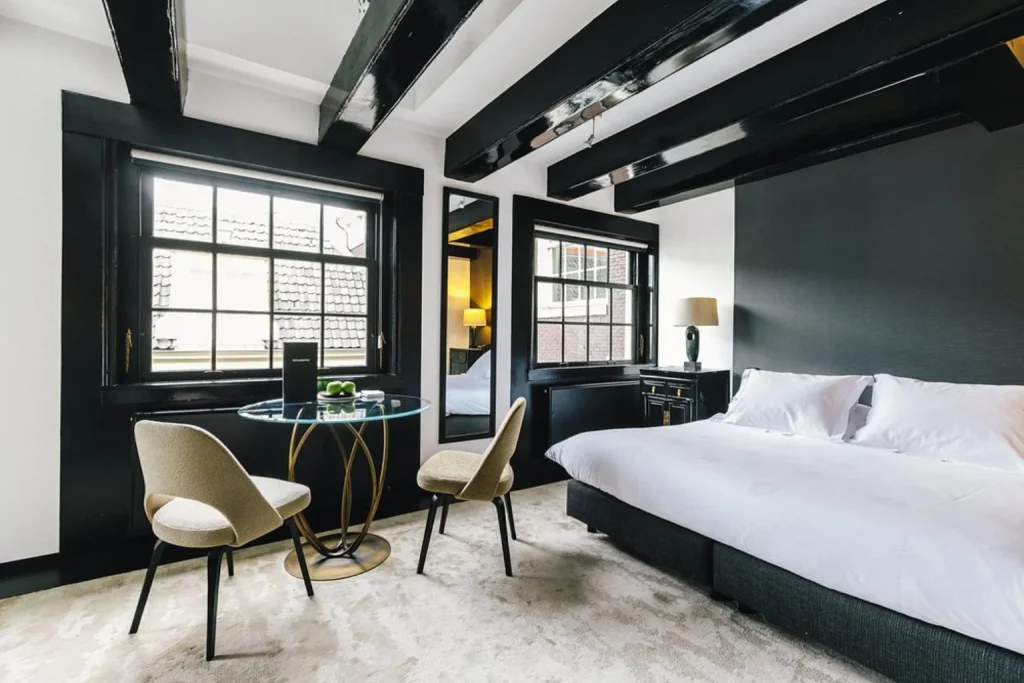
The Dylan Amsterdam is a 40‑room luxury boutique tucked into a 17th‑century complex on Keizersgracht, best known for its high‑end design and Michelin‑starred food.
Why We Chose It
It’s one of the rare small hotels in Amsterdam where top‑tier dining and historic architecture come together. The Dylan has about 40 rooms and two on‑site Michelin‑starred dining options (Vinkeles and Brasserie OCCO), with a discreet, design‑driven ambience.
Best For
Food‑focused travelers, design lovers, and couples who rank restaurant quality and atmospheric interiors above having a huge spa or pool.
Potential Downsides
- Starting prices are positioned at the luxury end of the market.
- Restaurant popularity means you may need separate reservations for on‑site dining.
- Historic layout can mean fewer large communal areas than some luxury competitors.
Key Highlights
- 40‑room historic property on Keizersgracht.
- Two Michelin‑starred restaurants on-site.
- 17th‑century architecture with discreet, elegant styling.
- Strong guest ratings and reputation among design and food writers.
- Central canal‑belt position close to shopping and galleries.
5. Rosalia’s Menagerie Inn
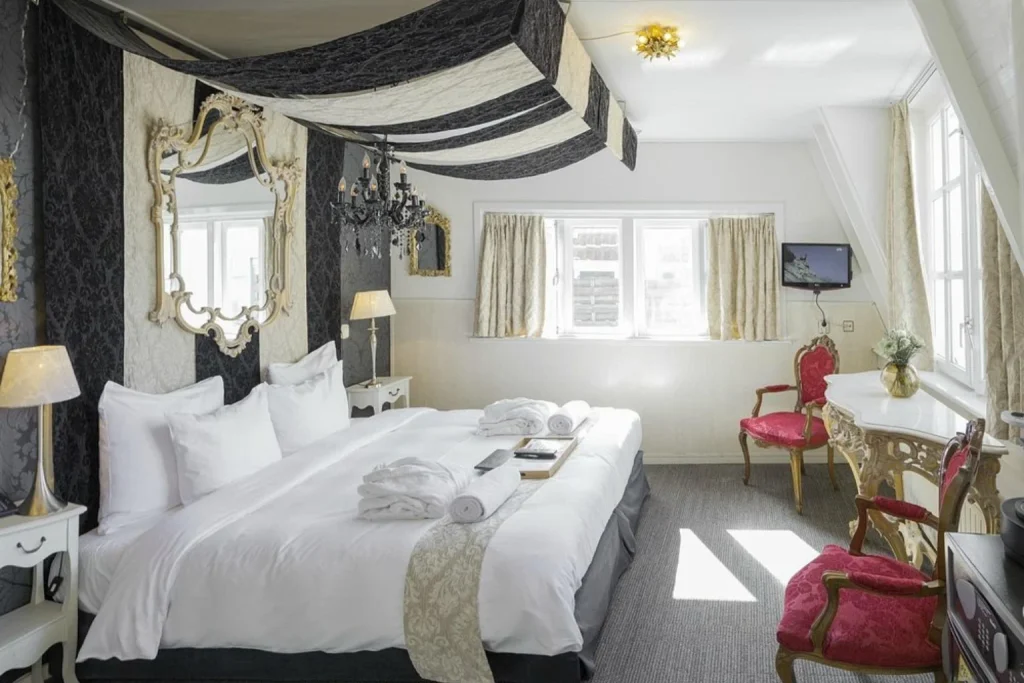
Rosalia’s Menagerie is a 23‑room inn set above a cocktail lounge, offering an eclectic, cozy atmosphere and easy access to central canals.
Why We Chose It
It’s a good example of a small, character‑driven property that isn’t strictly luxury but still offers personality and strong feedback. Around 23 rooms, a peaceful garden, and well‑reviewed breakfast make it appealing for guests who prioritize atmosphere and intimacy over brand names.
Best For
Solo travelers and couples who enjoy bar culture, appreciate quirky décor, and want to be able to walk to core attractions without paying top canal‑belt luxury rates.
Potential Downsides
- Being above a cocktail lounge may mean some noise at peak hours.
- No spa or gym; facilities focus more on breakfast and relaxation spaces.
- Stairs and layout can reflect the historic building rather than modern hotel design.
Key Highlights
- 23‑room boutique scale.
- Central, canal‑front location.
- Peaceful garden area.
- Strong breakfast feedback from guests.
- Eclectic, cozy atmosphere above a cocktail bar.
How We Selected These Hotels
We looked specifically for:
- Small scale: Properties generally under 50 rooms with clearly boutique positioning.
- Consistently high guest ratings: Strong recent scores across major booking platforms and review sites.
- Location fit: Easy access to Amsterdam’s key areas, with a particular focus on the canal belt and central neighborhoods popular with leisure travelers.
- Clear character: Distinct interiors, architecture, or service style that differentiates them from chain hotels.
- Relevant amenities: Confirmed on‑site features such as restaurants, bars, gyms, or standout breakfast, in line with 2026 expectations around comfort and soft wellness.
Only hotels with clearly documented room counts and amenity lists were included.
Why These Hotels And Not Others?
Amsterdam has many boutique and small properties, but not all align with an “intimate hotel” guide.
We prioritized:
- Hotels with under ~50 rooms rather than larger “boutique‑in‑name only” properties.
- Locations in or near neighborhoods most travelers target first: the canal belt, Jordaan, and central districts.
- Hotels with clear, documented strengths, such as canal views, Michelin‑starred dining, or particularly strong guest feedback on service.
Some popular hotels don’t appear here because:
- They exceed the small‑hotel room count.
- Their positioning leans more toward budget hostel or large chain than boutique.
- Their location or facilities don’t offer a clear advantage for travelers specifically seeking intimate stays.
Use this list as a focused starting point, then expand your search if you prioritize a different price tier or neighborhood.
How to Book a Small Hotel in Amsterdam
Pricing and Value Considerations
Prices for small hotels in Amsterdam vary sharply by neighborhood and season.
For July 2026 (peak season for city trips):
Lowest average small‑hotel rates
- Sloterdijk / Westpoort: around €90–€140 for small/budget hotels; some chain properties go even lower.
- Amsterdam‑Noord: roughly €90–€150, typically 30–40% below canal‑belt prices.
Mid‑range sweet spots
- Amsterdam‑Oost, De Pijp, Oud‑Zuid: around €100–€170 for small/budget properties, often 30–50% cheaper than the center.
Highest averages
- Amsterdam‑Centrum / Dam Square, Canal Belt, Museum Quarter: commonly €150–€200+ for small hotels, with many three‑star and boutique options higher.
Budget takeaway: finding a central small hotel under €100 per night in July is rare; you’re more likely to see those figures in outer districts or surrounding towns like Diemen or Zaandam.
Compared with larger hotels:
- Small hotels in prime central locations can match or exceed larger hotel prices on a per‑night basis, because you’re paying for character and address.
- In emerging neighborhoods like Noord or Sloterdijk, small properties can deliver better value than big chains closer to Dam Square.
Tips for Securing Rooms in Peak Season
In 2026, booking behavior has shifted:
- The average booking window for small/independent hotels sits around 40 days globally.
- At the same time, around 35% of bookings are still made within 7 days of arrival, and one‑night stays dominate.
For Amsterdam:
- Book canal‑belt and Jordaan boutiques early. For July and popular weekends, aim to book at least 6–8 weeks ahead if you’re targeting high‑demand small hotels.
- Use flexible dates. Shifting arrival by even one night can lower nightly rates, especially outside Saturdays.
- Compare OTAs with direct booking. Many guests start their search on platforms like Booking.com, then check hotel websites for better cancellation terms or small perks.
- Watch for last‑minute gaps. Because OTA cancellation rates are high, small hotels sometimes release rooms again within the last one to two weeks before arrival.
- Consider shoulder seasons. Spring and autumn now carry heavier demand in many European cities. Booking early for those months is almost as important as for July/August.
Cancellation and Health Policy Updates for 2026
By mid‑2026:
- Health‑related travel restrictions in Europe are far lighter than during pandemic years, and most small hotels operate with standard hygiene protocols.
- Cancellation policies vary widely: OTAs often show more restrictive non‑refundable rates, while direct bookings can include more flexible options.
Before you confirm:
- Check cancellation windows and fees carefully—global averages hover around a 39‑day cancellation window, but individual policies differ.
- If flexibility matters, favor free‑cancellation or semi‑flexible rates, even at a small premium.
- Confirm any remaining health or check‑in requirements on the hotel’s own site before travel, as these can change faster than OTA listings.
Enhancing Your Stay: Local Experiences Near Small Hotels
Small hotels shine when you step outside the door. Here’s what you can typically access from the key neighborhoods mentioned earlier.
Cafés, Restaurants, and Hidden Gems
- Jordaan: Expect tiny coffee bars, canal‑side terraces, and local bakeries around almost every corner. Noordermarkt daytimes pair well with bar‑hopping at night.
- De Pijp: Great for cheap and mid‑range dining—Surinamese, Turkish, Indonesian, and modern cafés all within a few blocks of most hotels.
- Canal Belt: Classic brown cafés, smarter wine bars, and riverside dining. Good for slower evenings and people‑watching rather than loud nightlife.
- Oud‑West: Strong café culture and relaxed restaurants frequented by residents; ideal for longer stays where you want “your” local spot.
Ask your small‑hotel staff for two or three personal favorite spots within a 10‑minute walk; they usually have strong opinions and up‑to‑date recommendations.
Cultural Attractions Within Walking Distance
From most canal‑belt and Jordaan small hotels you can walk to:
- Anne Frank House
- The Nine Streets shopping area
- Several small museums and galleries
From De Pijp and Oud‑Zuid you’re often within reach of:
- The Rijksmuseum, Van Gogh Museum, and Museum Quarter
- Albert Cuyp Market and neighborhood parks
Choosing a small hotel within walking distance of your key sights cuts down on transit time and lets you dip back to your room between museums and dinners.
Neighborhood Walking Tours and Activities
Intimate neighborhoods pair well with:
- Small‑group walking tours in Jordaan and the canal belt.
- Food tours in De Pijp, focusing on market stalls and ethnic eateries.
- Self‑guided strolls using offline maps, especially in Jordaan, where many of the nicest corners are unmarked courtyards and side alleys.
Ask your hotel if they partner with local guides or can recommend independent tours; boutique properties often have relationships with small operators.
FAQs About Small Hotels in Amsterdam
What counts as a “small hotel” in Amsterdam?
Most small hotels in Amsterdam have fewer than 50 rooms, often spread across one or several narrow canal houses. They usually offer personalized service, individual décor, and limited but focused amenities like a bar, breakfast room, or small gym.
Are small hotels in Amsterdam more expensive than big hotels?
In central areas like the Canal Belt and Dam Square, small hotels can be as expensive—or more expensive—than larger chain hotels because of location and character. In neighborhoods such as Noord, Sloterdijk, or De Pijp, small hotels can represent better value, especially outside peak summer.
Which Amsterdam neighborhoods are best for small hotels?
For classic canal‑house stays, look at the Canal Belt and Jordaan. For lively, food‑focused stays with more budget options, De Pijp works well. Oud‑West offers a good balance between local life and access to the center.
Are small hotels in Amsterdam sustainable?
Many boutique hotels in Europe are responding to demand for verified sustainability, with visible measures like energy‑efficient controls and local sourcing. Certification levels vary by property, so check for specific eco‑labels or sustainability details on each hotel’s website rather than assuming.
Do small hotels in Amsterdam offer modern tech like contactless check‑in?
A growing number of boutique hotels in 2026 use “invisible tech”—mobile check‑in, digital keys, and smart room controls—especially in newly renovated properties. Older canal‑house hotels may mix traditional front‑desk service with a few digital conveniences. Check amenity lists if tech is a key priority.
How far in advance should I book a small hotel in Amsterdam?
With global booking windows around 40 days and Amsterdam’s popularity, booking 6–8 weeks ahead for July, spring, and autumn weekends is sensible, especially for high‑demand small hotels in the canal belt or Jordaan.
Can small hotels handle special requests and dietary needs?
Smaller teams typically mean more individualized attention. Many boutique hotels can accommodate dietary preferences at breakfast or help with restaurant recommendations, but you should flag requirements when booking and reconfirm a few days before arrival.
Is it better to book a small hotel directly or via an OTA?
OTAs are useful for search and comparison. However, direct bookings often come with better flexibility, lower cancellation risk, or small perks. A good approach is to compare on an OTA, then check the hotel’s own site for rates and terms before deciding.
Conclusion
Choosing among small hotels in Amsterdam isn’t just about star ratings. It’s about deciding whether you want a canal‑belt postcard, a Jordaan village feel, a De Pijp food hub, or a laid‑back Oud‑West base—and then picking the right small property within that area.
- For an all‑round classic canal stay, Ambassade Hotel is a reliable benchmark.
- For food and design, The Dylan Amsterdam stands out.
- For a special‑occasion splurge, Hotel Twenty Seven leans into luxury and privacy.
- For character without full luxury pricing, Rosalia’s Menagerie and Hotel Estherea are strong bets.
Compare neighborhood, room count, and cancellation terms before you book, then lock in your dates early for peak months. Once that’s done, you can focus on the better decision: which canal to wander first.

Alison is a travel writer passionate about solo adventures, photography, and memorable getaways. She loves discovering beautiful destinations, distinctive stays, authentic local experiences, and hidden gems, creating stories that help curious travelers explore beyond the usual tourist highlights. Her work has been featured in Forbes, CNN, Travel + Leisure, Yahoo, and other major outlets.