You land at Schiphol, grab a coffee, and the barista asks for €4.50. No dollars. No pounds. Just euros.
Here’s exactly how money works in Amsterdam in 2026: what currency you need, how to pay, where to exchange, and how to dodge common traps.
What Currency Does Amsterdam Use?
The Official Currency: Euro (EUR)
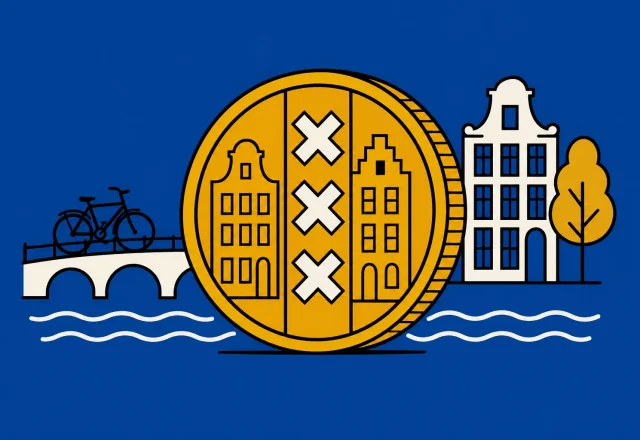
Amsterdam uses the euro (EUR) as its official currency.
You’ll pay in euros for everything: hotels, museums, trams, coffees, and canal cruises.
Key points:
- Currency: Euro (EUR)
- Symbol: €
- Common code on prices and ATMs: EUR
- No official use of US dollars, British pounds, or other currencies in shops
Some tourist-heavy places may accept foreign cash at a poor rate, but assume:
> To spend money in Amsterdam, you need euros – either in cash or via card charged in euros.
Brief History of Currency in Amsterdam
Before the euro, the Netherlands used the Dutch guilder (NLG).
The euro was introduced electronically in 1999 and as notes and coins in 2002, replacing the guilder.
You won’t see guilders in daily life anymore. They’re now collectibles, not spending money.
Using the Euro in Amsterdam
Common Coins and Banknotes
You don’t need to memorize every denomination, but knowing the basics helps when you’re at a café or ticket machine.
Euro coins used in Amsterdam:
- 1 cent, 2 cent, 5 cent
- 10 cent, 20 cent, 50 cent
- €1, €2
1, 2 and 5 cent coins exist but are often rounded away in cash payments. Card payments are charged exactly as priced.
Euro banknotes:
- €5, €10, €20, €50, €100, €200, €500
In daily use, you’ll mainly see €5, €10, €20, and €50.
Many smaller shops and cafés don’t like large notes. Some may refuse €200 and €500, and sometimes even €100.
Practical tips:
- Withdraw in €20s and €50s where possible.
- Break large notes at supermarkets or train stations.
- Keep a few coins for toilets, lockers, and older vending machines.
Payment Methods Accepted
Amsterdam is one of the most card-friendly cities in Europe. You can pay digitally almost everywhere, but there are exceptions.
Widely accepted:
- Debit cards (Visa, Mastercard, Maestro, V-Pay)
- Credit cards (Visa, Mastercard)
- Contactless cards (NFC “tap to pay”)
- Mobile wallets: Apple Pay, Google Pay, Samsung Pay
- Transit cards and QR codes for some services
Less reliable:
- American Express – accepted at some hotels, upscale shops, and chains, but not universal
- Diners Club / Discover – far less common
Some smaller Dutch businesses historically preferred debit-only payments; that’s still true in pockets, but by 2026, most central Amsterdam spots accept major credit cards as well.
You can usually pay by:
- Tapping your phone or watch
- Tapping your card
- Inserting chip + PIN
Contactless is fast and widely encouraged.
Tipping and Payment Etiquette
The Netherlands doesn’t run on US-style tipping, but small tips are appreciated.
Restaurants and cafés:
- Table service: round up or add 5–10% if you were happy.
- Casual cafés and bars: round up to the next euro or add €1–€2.
Taxis and ride-hailing:
- Round up to a convenient amount.
- No need for a large percentage-based tip.
Hotels:
- Housekeeping: €1–€2 per night if service was good.
- Concierge who goes above and beyond: €5–€10 per favor.
You can tip by:
- Leaving cash in euros
- Adding a small tip on card where the terminal allows it
- Rounding up when you approve card payments
Service charges are sometimes included; if you see “service included” on the bill, tipping becomes purely optional.
Currency Exchange in Amsterdam
Best Places to Exchange Money
You can get euros in three main ways: ATMs, banks, and currency exchange offices.
Best overall option: ATMs
If your bank offers decent international terms, ATMs usually beat exchange counters.
Better options:
- ATMs of major Dutch banks in the city (e.g., at train stations, central areas)
- Your home bank before you travel, if they give a fair rate
Use with caution:
- Airport exchange counters at Schiphol
- High-street currency booths around tourist zones and the Red Light District
They’re convenient but tend to give poorer rates and higher margins.
Strategy that works well:
- Bring a fee-friendly debit card if you have one.
- Take out €100–€200 at a Dutch bank ATM when you arrive.
- Pay the rest by card or mobile wallet.
Using ATMs: Tips and Fees
ATMs in Amsterdam are generally safe and reliable, especially those attached to banks.
Look for:
- ATMs from recognizable Dutch or European banks
- Machines inside or near bank branches or inside stations and malls
Avoid or be careful with:
- Standalone ATMs in tourist streets with loud branding and lots of “0% COMMISSION” or “TRAVEL MONEY” stickers.
- Any machine pushing you aggressively to accept “conversion” in your home currency.
Key rules:
- Always choose to be charged in euros, not in your home currency.
That “conversion” offer is called Dynamic Currency Conversion and usually costs more.
Check with your home bank beforehand for
- Foreign ATM withdrawal fee
- Foreign transaction fee
- Daily withdrawal limit
If your card supports fee-free foreign withdrawals, rely on it and skip most exchange counters.
Avoiding Currency Scams
Amsterdam is generally safe, but money scams target distracted visitors.
Watch for:
- Bad exchange rates in tourist kiosks
- Big “0% commission” sign, terrible rate hidden in small print.
- Compare the buy/sell rates with the mid-market rate from an app before agreeing.
- Dynamic Currency Conversion (DCC)
- Terminals or ATMs offering to charge you in your own currency.
- Always select “charge in EUR” and decline conversion.
- Street money changers
- People offering “better rates” in cash on the street.
- Risk of counterfeit notes or short-changing. Don’t do it.
- Card terminal tricks
- Staff rushing you, holding the terminal, and pre-selecting costly options.
- Take your time, hold the terminal, and read the screen before tapping.
If something feels off, step away. There’s always another ATM or shop.
Comparing the Euro in 2026
Euro Exchange Rates vs. Major Currencies
Exchange rates move daily. By 2026, the euro continues to float against the US dollar, British pound, and other major currencies.
Because rates change constantly, use live tools instead of memorizing numbers. Reliable options include:
- Currency apps (XE, Wise, Revolut, or your banking app)
- The European Central Bank (ECB) website for reference rates
- Google’s built-in currency converter
How to check quickly:
- Type “EUR to USD” or “EUR to GBP” into a search engine.
- Save a converter app and update rates before big purchases or ATM withdrawals.
Have a couple of “mental shortcuts” ready, like “€10 is about X in my currency” based on current data when you travel.
How to Budget Your Trip Using Euros
Amsterdam isn’t cheap, but you can plan a realistic euro budget.
Rough daily ranges per person, excluding flights:
| Type of traveler | Daily budget (EUR) | What that usually covers |
|---|---|---|
| Budget | ~€60–€90 | Hostel/cheap room, simple meals, public transport, one paid attraction |
| Mid-range | ~€120–€200 | Decent hotel, restaurants, drinks, attractions, transit |
| Higher-end | €250+ | Central hotel, better dining, shopping, tours, nightlife |
Use these as starting points and adjust based on:
- Travel style (hostels vs. boutique hotels)
- How often you eat out vs. cook or grab snacks
- Shopping plans and nightlife
Keep a mix of:
- Card for hotels, restaurants, museum tickets
- €20–€60 in cash for markets, small cafés, toilets, lockers, or emergency situations
Tips for Tourists and Expats
Carrying Cash vs. Digital Payments
You can move around Amsterdam for days barely touching cash—but having some helps.
Best approach:
- Rely mainly on cards or phone payments.
- Keep €30–€70 in cash on you.
- Store an extra €50–€100 safely in your accommodation as backup.
Cash is still handy for:
- Small independent cafés or snack bars
- Street markets
- Public toilets that only take coins
- Tipping where the card system doesn’t support it
For expats, opening a Dutch bank account with a local debit card makes everyday payments smoother, especially in places that favor domestic debit systems.
Latest Payment Technology Trends in Amsterdam
Amsterdam in 2026 leans heavily into digital payments:
- Contactless by default: Most POS terminals accept tap payments.
- Mobile wallets: Apple Pay and Google Pay are widely usable where Visa/Mastercard are accepted.
- Online and QR payments: You’ll see QR codes for tickets, reservations, and some payments.
- Increasing use of digital receipts instead of printed ones.
Prepare by:
- Adding your cards to a mobile wallet before travel.
- Enabling contactless and international use on your cards via your bank app.
- Having at least two different cards (e.g., one debit, one credit) in case of network or issuer issues.
Frequently Asked Questions
What currency do I need to use in Amsterdam?
The euro (EUR). Shops, restaurants, and public transport all price and charge in euros.
Can I pay with US dollars, British pounds, or other currencies?
Generally no. A few tourist shops might accept them at poor rates, but you should plan to use euros only.
Are credit and debit cards accepted everywhere?
Cards are accepted almost everywhere in Amsterdam, especially Visa and Mastercard. Small or traditional businesses may prefer debit, and American Express isn’t universal.
Where is the best place to exchange money in Amsterdam?
Use ATMs from reputable banks or get euros from your home bank. Airport and tourist exchange counters are convenient but usually more expensive.
Should I carry cash or rely on cards and mobile payments?
Use cards and mobile payments as your main method, and carry a small amount of euro cash for minor purchases and backup.
What euro denominations are most common?
You’ll see €5, €10, €20, and €50 notes, plus coins up to €2. Very large notes (€100, €200, €500) are rarely used and sometimes refused.
Are there fees when withdrawing cash at ATMs?
Your home bank may charge withdrawal and foreign transaction fees. Some ATM operators may also add their own fee. Always withdraw in euros, not via “conversion” into your home currency.
How do I avoid currency exchange scams in Amsterdam?
Skip street changers, be skeptical of “0% commission” booths with bad rates, and always decline Dynamic Currency Conversion on ATMs and payment terminals.
Can I tip with card or only cash?
You can usually tip with both. Many terminals let you add a small tip; otherwise, leave a few euro coins or a note.
Are there any recent changes in payment systems I should know about?
Digital and contactless payments keep expanding. By 2026, card and phone payments are standard, with some places moving toward cashless, especially in busy urban areas.
Conclusion: Simple Money Plan for Amsterdam
You only need to remember a short checklist:
- Currency: Euro (EUR) only.
- Main tools: Contactless card or phone, plus €30–€70 in cash.
- Best rates: Bank ATMs, charged in euros, not your home currency.
- Safety: Avoid street changers, watch for bad exchange rates and “helpful” conversion offers.
Before you go, set up at least one travel-friendly card, add it to your phone wallet, and check your bank’s fees. Spend five minutes doing that now, and you’ll barely have to think about money once you’re walking along the canals.

Alison is a travel writer passionate about solo adventures, photography, and memorable getaways. She loves discovering beautiful destinations, distinctive stays, authentic local experiences, and hidden gems, creating stories that help curious travelers explore beyond the usual tourist highlights. Her work has been featured in Forbes, CNN, Travel + Leisure, Yahoo, and other major outlets.