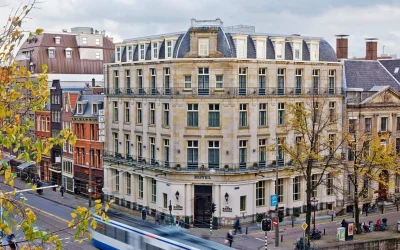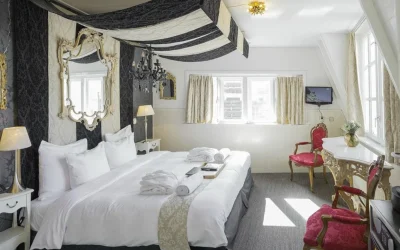
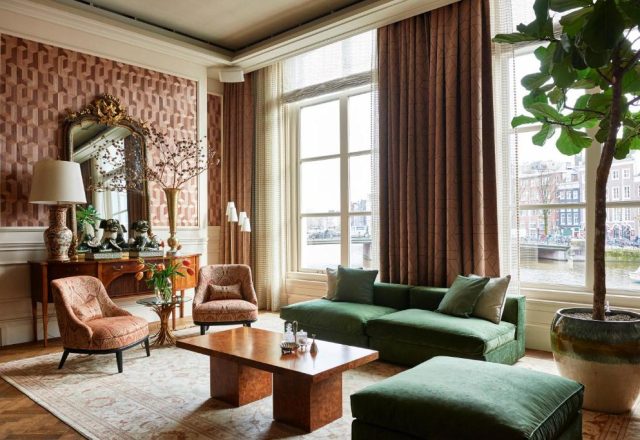
Choosing between Amsterdam’s luxury hotels isn’t just about five stars. You’re deciding between canal mansions and glass-and-steel design, heritage service and buzzy lifestyle scenes, classic suites and next‑gen wellness.
This guide focuses on 2026’s most relevant luxury hotels in Amsterdam: long‑time icons, sustainability leaders, and brand‑new openings and renovations. The goal is simple: help you match a specific hotel to how you actually want to experience the city.
Why you can trust this guide
- Personally curated Hotels are chosen by our team — not by an algorithm or the hotels themselves.
- No sponsored placements No hotel can pay to appear here or to rank higher.
- Updated for 2026 Checked and refreshed for the 2026 season.
- 10 hotels compared We reviewed 10 hotels before choosing this shortlist.
- Editor-reviewed Reviewed by an editor before publishing.
Best Luxury Hotels in Amsterdam by Traveler Type
- Best overall luxury hotel: Waldorf Astoria Amsterdam — canalside palaces, refined service, strong spa and dining reputation.
- Best new‑era luxury (rebranded 2026): Mandarin Oriental Conservatorium, Amsterdam — high‑design Museum Quarter icon with a major spa.
- Best upcoming opening for 2026: Amsterdam EDITION — 5‑star lifestyle luxury slated for Summer 2026 near Leidseplein.
- Best for classic Dutch canal glamour: De L’Europe Amsterdam — historic waterfront with strong sustainability credentials.
- Best eco‑conscious luxury choice: Hotel Okura Amsterdam — Green Globe Platinum, serious on sustainability and gastronomy.
- Best boutique luxury for privacy: The Dylan Amsterdam — small canalside property with a discreet feel.
- Best for art and museums on your doorstep: Mandarin Oriental Conservatorium, Amsterdam — Museum Quarter position.
- Best for food‑focused travelers: Hotel Okura Amsterdam — several acclaimed restaurants and strong culinary positioning.
Quick Comparison Table: Luxury Hotels in Amsterdam (2026)
| Hotel | Best For | Luxury Strength | Location Style | Spa / Wellness | Dining Strength | Potential Drawback |
|---|---|---|---|---|---|---|
| Waldorf Astoria Amsterdam | Overall luxury, couples | Grand canal mansions, high‑touch service | Historic canal belt | Confirmed spa & pool | High‑end, including fine dining | Premium pricing, very central and formal |
| Mandarin Oriental Conservatorium, Amsterdam | Design lovers, art travelers | Rebranded 2026, major renovation | Museum Quarter, landmark building | Large spa; wellness focus mentioned in sources | Strong F&B positioning | Can feel busy; Museum Quarter not right on main canals |
| De L’Europe Amsterdam | Classic Amsterdam feel | Heritage interiors, canal views | Central canal belt | Spa facilities referenced by sources | Multiple venues; upscale dining | Lively central area; can feel less secluded |
| Rosewood Amsterdam | Grand‑scale new luxury | Palace of Justice setting, canalside | Prinsengracht canal | Spa/wellness positioning referenced | Upscale dining concept; detailed outlets not fully specified | Recently opened; some details and operations still bedding in |
| The Dylan Amsterdam | Privacy, boutique stays | Intimate, design‑driven rooms | Canal belt, boutique stretch | Spa facilities not clearly confirmed | High‑end restaurant reputation | Small scale, fewer big‑hotel facilities |
| Sofitel Legend The Grand Amsterdam | History buffs, mixed leisure/business | Former city hall/monastery, butler‑style service | Between canals and Red Light/Old Centre | Spa & indoor pool confirmed | French‑leaning luxury dining | Central nightlife area nearby; not everyone will like the buzz |
| Hotel Okura Amsterdam | Food & wellness, eco‑minded | Skyscraper‑style luxury with top certifications | De Pijp / Zuid edge | Pool, wellness area confirmed | Gastronomy focus with multiple restaurants | Not in the postcard‑pretty canal belt |
| Hyatt Regency Amsterdam | Eco‑luxury meetings & longer stays | Modern, light‑filled luxury with certifications | Eastern city edge, residential feel | Fitness and wellness referenced; full spa not clearly confirmed | Contemporary dining, not Michelin‑focused | Less atmospheric than canal or Museum Quarter |
| Amsterdam EDITION (opening Summer 2026) | Lifestyle‑oriented luxury | On‑trend design, branded 5‑star | Near Leidseplein, entertainment hub | Expected spa/fitness; details not fully public | Scene‑driven bars/restaurants expected | Not open yet; will attract nightlife crowd |
| The Gentlemen (expected Fall 2026) | Discreet boutique, park access | 17‑room Vondelpark villa | On Vondelpark, Museum Quarter side | Spa mentioned in project plans | Dining concept not fully specified | Very small; limited on‑site options likely |
Details such as specific restaurants, spa menus and room types are only mentioned where confirmed in source data.
Why Choose Luxury Hotels in Amsterdam?
What Defines Luxury in Amsterdam’s Hospitality Scene
Luxury in Amsterdam is less about marble lobbies and more about context: canal‑house architecture, museum‑level art, serious gastronomy, and service that quietly smooths out city travel.
Patterns you’ll see at the top end:
- Historic shells, modern interiors: Many five‑star hotels sit in 17th–19th‑century buildings or former civic palaces, with contemporary rooms behind heritage façades.
- Strong food and beverage: Multiple properties lean heavily on their restaurants and bars, often with fine‑dining ambitions or Michelin recognition referenced in specialist guides.
- Wellness that fits city life: Pools tend to be indoor and compact; saunas and good treatment menus matter more than beach‑resort‑style waterparks.
- Sustainability as a quality marker: Certifications like Green Globe Platinum and Green Key Gold are widespread among serious luxury hotels.
The Unique Blend of History, Culture, and Modern Comfort
You can sleep in a former Palace of Justice (Rosewood Amsterdam), an old music conservatory (Mandarin Oriental Conservatorium), or a row of canal palaces (Waldorf Astoria, De L’Europe, The Grand). Step outside and you’re minutes from world‑class museums, canals, and independent galleries.
Inside, you’ll find high‑end bedding, in‑room tech, concierge teams who can secure canal boats or private museum time, and wellness spaces that help offset jet lag and long walking days. The mix of lived‑in city and polished hospitality is what sets Amsterdam apart from more purely resort‑driven luxury hubs.
Newly Opened or Renovated Luxury Hotels
Mandarin Oriental Conservatorium, Amsterdam
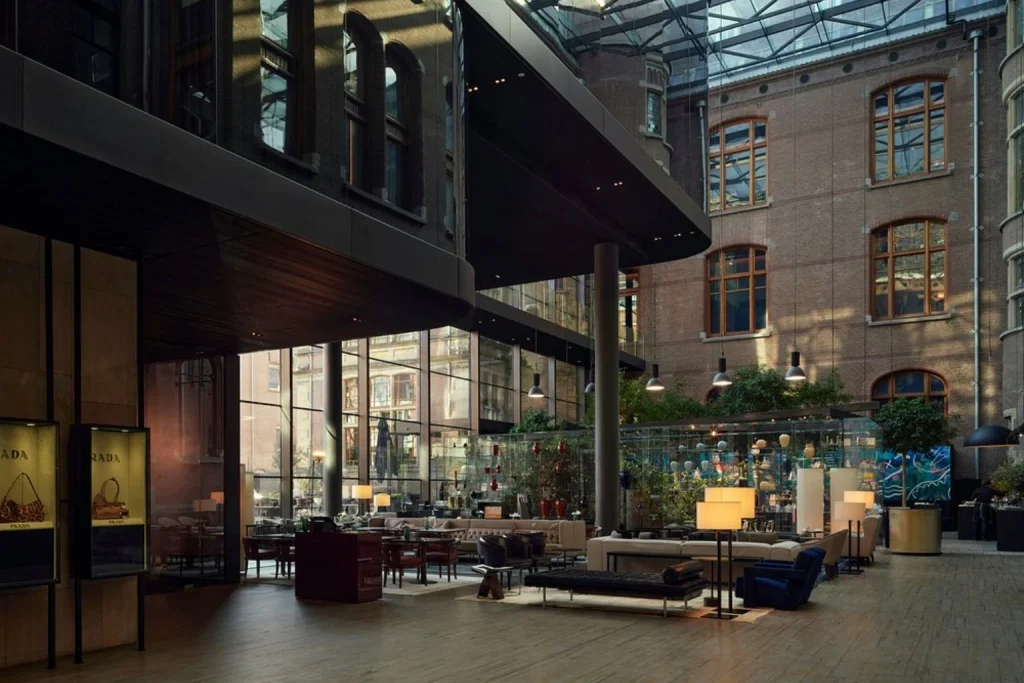
The former Conservatorium Hotel officially rebranded to Mandarin Oriental on 14 January 2026, bringing a global luxury brand into one of Amsterdam’s most iconic buildings in the Museum Quarter.
Why We Chose It
It’s the most significant 2026 transformation in the city’s luxury scene. You get a landmark building, high‑design interiors and a large spa that sources describe as one of the biggest in Amsterdam, now backed by Mandarin Oriental’s service standards.
Best For
Travelers who want museum access on foot, strong wellness facilities and a design‑focused atmosphere rather than a classic canal‑house vibe.
Potential Downsides
You’re not right on the postcard canal belt, and the Museum Quarter can feel busy with day visitors. Rates reflect the newness and brand prestige, so it favors travelers with a flexible budget.
Key Highlights
- 5‑star luxury with full Mandarin Oriental branding (from 2026)
- Historic former conservatory building in the Museum Quarter
- Large spa and wellness area (described as the city’s largest)
- Easy walking access to the Rijksmuseum, Van Gogh Museum and high‑end shopping
Amsterdam EDITION (opening Summer 2026)
Amsterdam EDITION is planned as a 200‑room, 5‑star luxury lifestyle hotel near Leidseplein, targeted to open in Summer 2026.
Why We Chose It
Among 2026 openings, this is the one to watch for travelers who like buzzy, design‑driven luxury. EDITION properties globally lean into social spaces, destination bars and modern room design, and the Amsterdam project is positioned in that same vein.
Best For
Guests who prioritize nightlife, bars and a contemporary scene within walking distance of the canals and major cultural anchors.
Potential Downsides
It isn’t open yet, so some service details and facilities may evolve after launch. The Leidseplein area is lively; if you want a quiet, residential feel, this isn’t it.
Key Highlights
- Scheduled 5‑star opening in Summer 2026
- Around 200 rooms in a central city location near Leidseplein
- Lifestyle‑driven positioning, with an emphasis on design and social spaces (per brand concept)
The Gentlemen (expected Fall 2026)
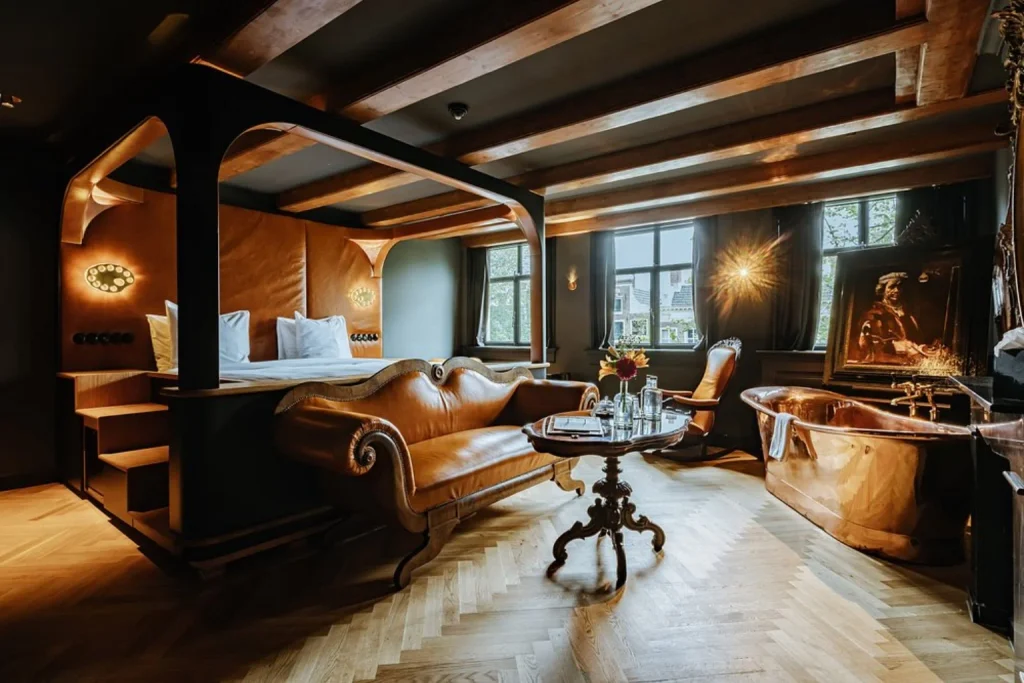
The Gentlemen is a 17‑room luxury boutique project converting an 1896 building directly on Vondelpark into an upscale hotel with a spa.
Why We Chose It
It fills a gap between big 5‑star brands and intimate design apartments. Direct park access is rare at the top end, and the small key count promises a private, residence‑style experience.
Best For
Couples and solo travelers who want a quiet, leafy base near both Vondelpark and the Museum Quarter, and who value boutique scale over broad facilities.
Potential Downsides
With only 17 rooms, on‑site facilities beyond the spa are likely to be limited compared to the city’s larger luxury hotels. As a late‑2026 opening, some early‑stage operational quirks are possible.
Key Highlights
- Boutique luxury hotel in a restored 1896 building
- Approx. 17 rooms for a low‑density, private feel
- Directly on Vondelpark, near Museum Quarter
- Spa planned as part of the renovation project
Rosewood Amsterdam
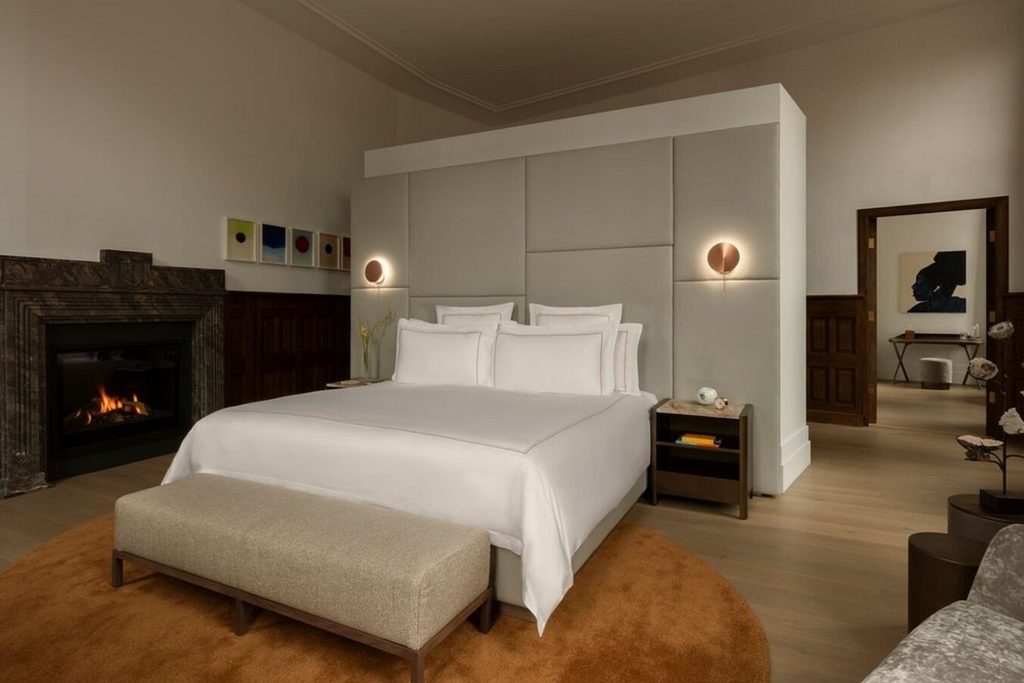
Rosewood Amsterdam opened on 1 May 2025 in the former Palace of Justice on the Prinsengracht, quickly joining the city’s top‑tier luxury set.
Why We Chose It
Although often listed as a “2026” project in older previews, it’s already open and is the city’s most recent grand luxury launch. The canalside palace location and Rosewood’s reputation for residential‑style luxury make it significant.
Best For
Travelers who want a large‑scale, ultra‑luxury property in a historic building, with strong concierge support and polished interiors.
Potential Downsides
As a relatively new opening, some finer‑grain feedback on dining and spa experiences is still emerging. High positioning means higher rates, especially for canal‑view rooms.
Key Highlights
- 5‑star luxury in the former Palace of Justice on Prinsengracht
- Grand heritage architecture with contemporary interiors
- Positioned as an ultra‑luxury, full‑service property
- Central canal‑belt location with easy access to major sights
Historic Canal‑Side Hotels with Timeless Elegance
Waldorf Astoria Amsterdam
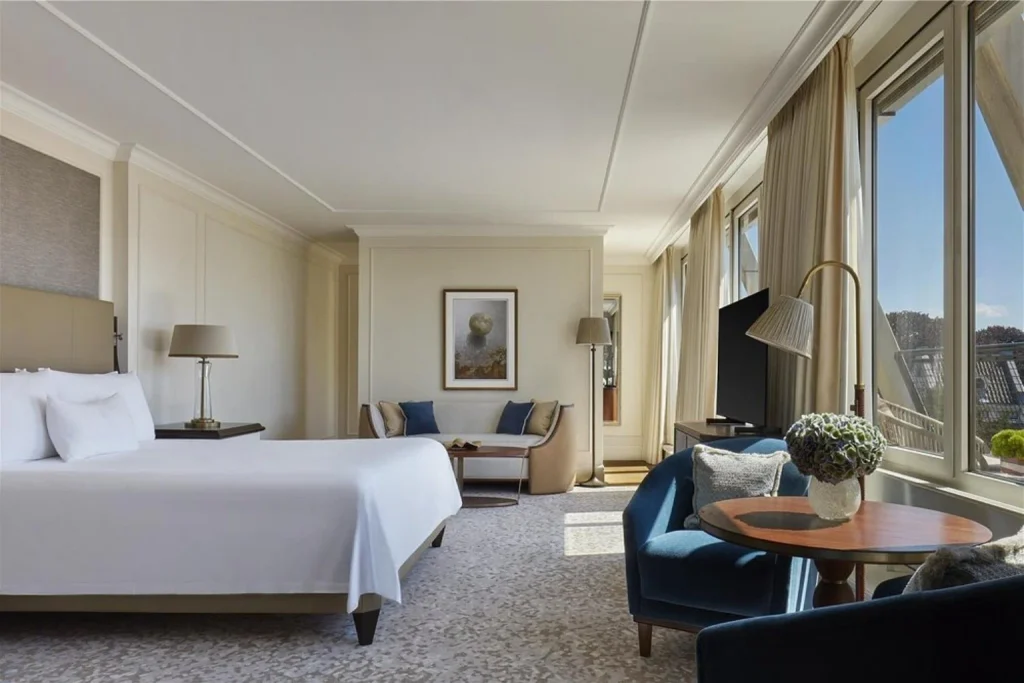
Waldorf Astoria Amsterdam occupies a row of grand 17th‑ and 18th‑century canal houses on the Herengracht, often cited by high‑end travel editors as one of the city’s benchmark luxury hotels.
Why We Chose It
It combines a prime canal address, heritage architecture, a strong spa and pool offering, and polished service. For many travelers, it’s the reference point for classic, fully serviced Amsterdam luxury.
Best For
Couples, special‑occasion trips, and travelers who value traditional service, quiet canalside settings and refined interiors over a nightlife scene.
Potential Downsides
Strong demand and canal‑palace positioning put it in the city’s premium price bracket. The atmosphere skews formal; party‑oriented travelers will find it subdued.
Key Highlights
- Historic canal‑house ensemble on the Herengracht
- Indoor pool and spa facilities
- Fine‑dining restaurant and upscale bar
- Manicured inner gardens, rare for central Amsterdam
De L’Europe Amsterdam
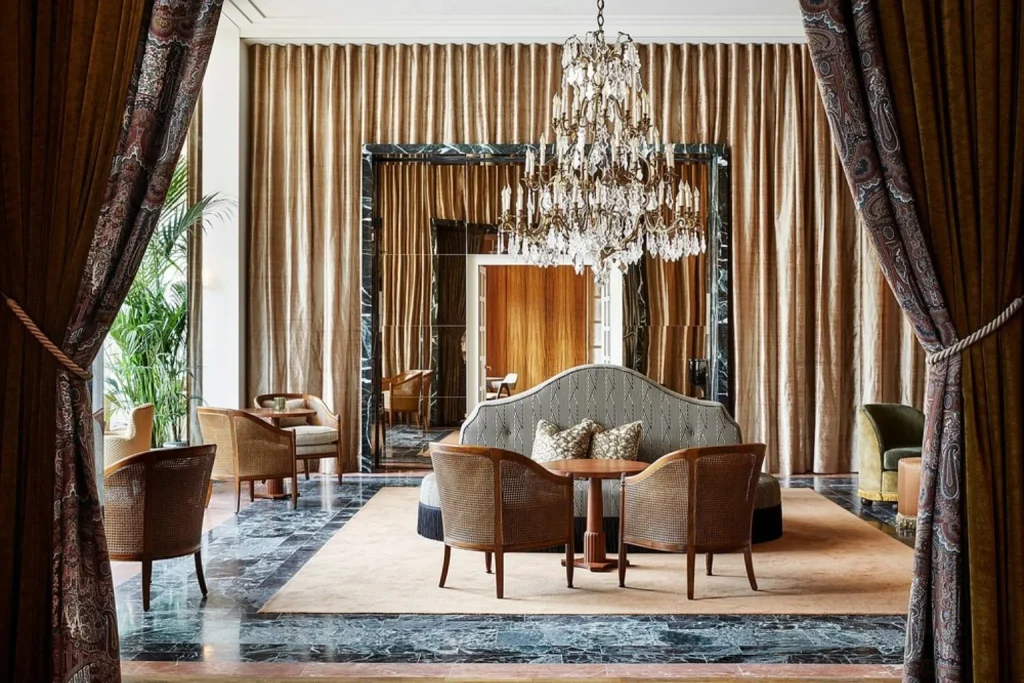
De L’Europe is an independent 5‑star hotel directly on the Amstel River/canal edge, known for its classic interiors and long history. It also holds Green Key Gold certification.
Why We Chose It
It offers the “old Amsterdam” feel—waterfront terraces, rich décor, and a strong dining and bar scene—while also meeting modern sustainability standards. That combination is still relatively rare at this level.
Best For
Travelers who want a grand, central base with canal views, walkability to the historic centre and a more local, non‑chain identity.
Potential Downsides
You’re in a very central, busy area, which means more foot traffic and street activity. Those seeking total seclusion may prefer smaller canal houses or park‑adjacent options.
Key Highlights
- 5‑star luxury with Green Key Gold sustainability certification
- Canal/riverfront position near the historic core
- Multiple bars and restaurants on site
- Heritage‑rich interiors with modernized rooms
The Dylan Amsterdam
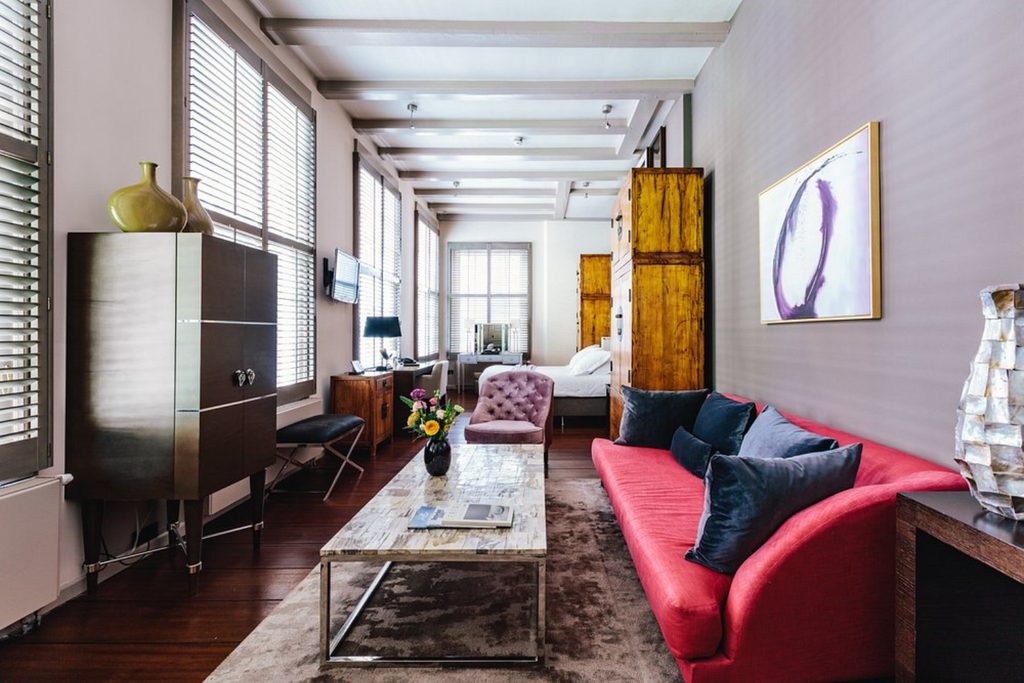
The Dylan is a small, 5‑star boutique hotel on the Keizersgracht canal, with a reputation for design‑conscious rooms and a discreet atmosphere. It holds Green Globe Platinum certification.
Why We Chose It
Among Amsterdam’s canal‑side options, The Dylan stands out for combining boutique scale, sustainability credentials and high‑end design. It’s a strong choice if you want privacy without losing central convenience.
Best For
Couples, solo travelers and small groups who prefer an intimate, design‑driven setting with attentive but low‑key service.
Potential Downsides
Fewer rooms mean fewer big‑hotel facilities: no sprawling spa complex, limited common spaces compared with larger grand hotels. If you like multiple restaurants and bars in‑house, you might find it compact.
Key Highlights
- 5‑star boutique with Green Globe Platinum certification
- Intimate canalside location on Keizersgracht
- Design‑focused rooms and public spaces
- High‑end dining reputation
Sofitel Legend The Grand Amsterdam
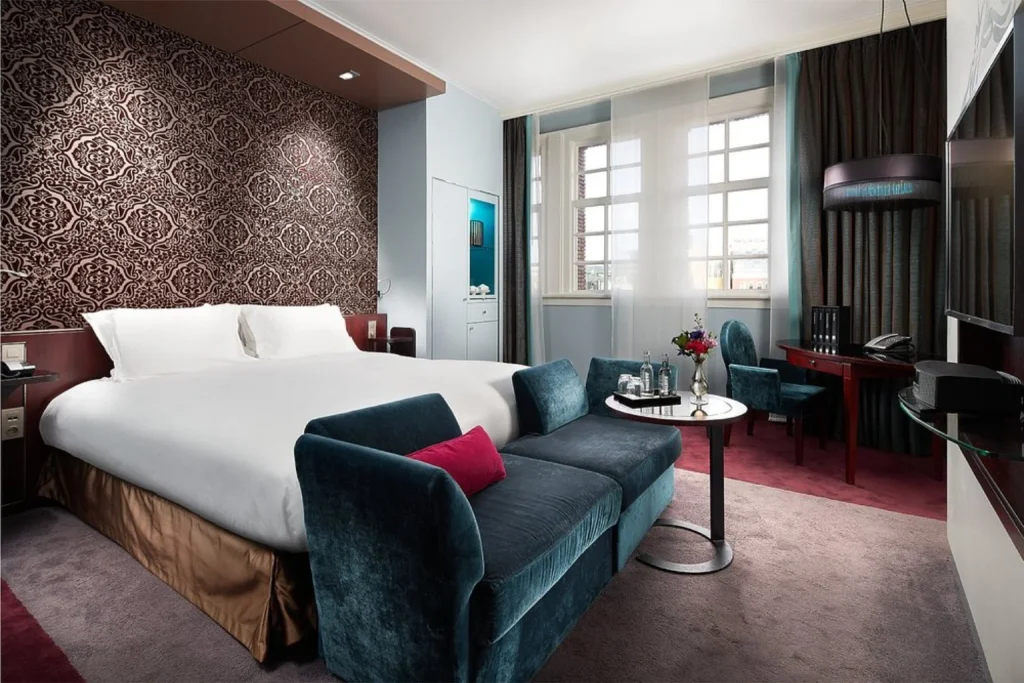
Sofitel Legend The Grand sits between the canals and the historic core in a complex that once served as a convent and later the city hall. It holds Green Key Gold and is the first hotel in Amsterdam with EarthCheck certification (Silver).
Why We Chose It
It combines serious history, a central yet tucked‑away setting, a spa with pool, and strong sustainability credentials. The “Legend” flag signals a more heritage‑focused, high‑service version of Sofitel.
Best For
Guests who want a story‑rich hotel, indoor pool access, and easy walking access to both the canal belt and city landmarks.
Potential Downsides
Its immediate area borders the Old Centre and Red Light District, which some travelers find too busy or tourist‑heavy. The mix of business, events and leisure guests means the hotel isn’t as intimate as smaller boutiques.
Key Highlights
- 5‑star luxury in a former monastery/city hall complex
- Indoor pool and spa facilities
- Green Key Gold and EarthCheck Silver certifications
- Central location, yet courtyard layout softens city noise
Contemporary Design‑Led Luxury Properties
Hotel Okura Amsterdam
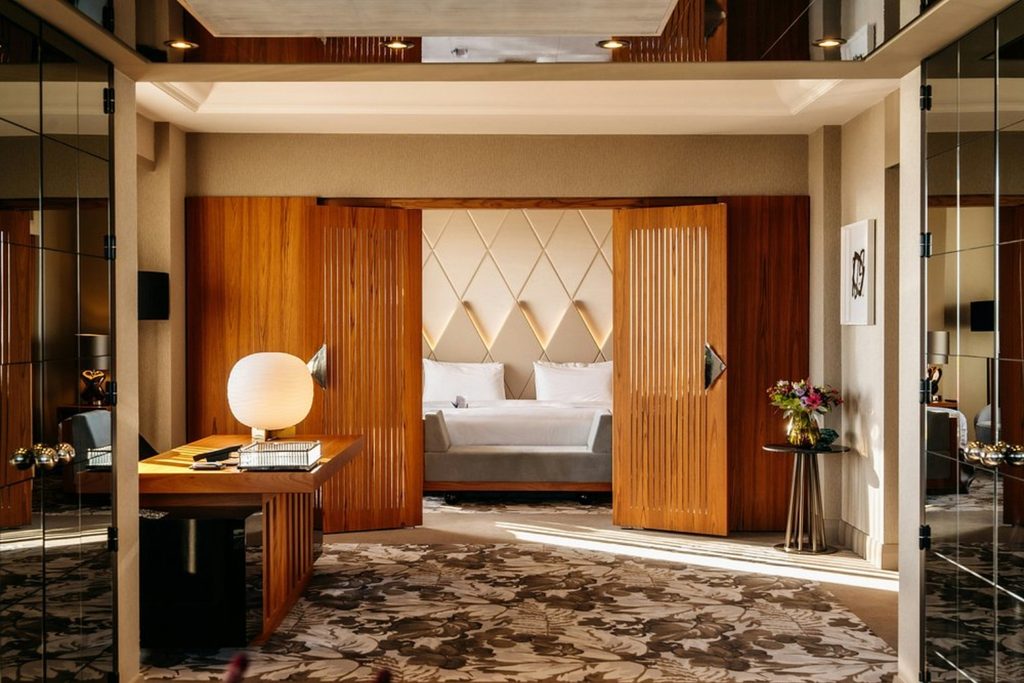
Hotel Okura is a high‑rise 5‑star hotel on the edge of De Pijp and the Zuid district, with Green Globe Platinum certification and a strong gastronomy profile.
Why We Chose It
Few Amsterdam luxury hotels are as explicit about both sustainability and serious dining. Multiple restaurants, including highly regarded fine‑dining venues, make it a magnet for food‑focused travelers.
Best For
Gastronomy lovers, business travelers, and guests who prefer a modern tower with views and extensive facilities over a small canal house.
Potential Downsides
You’re not in the historic canal belt; the area feels more residential and business‑like. If your mental image of Amsterdam is narrow canals and gabled houses outside your window, you may miss that here.
Key Highlights
- 5‑star luxury with Green Globe Platinum certification
- Multiple acclaimed restaurants and bars
- Pool and wellness facilities
- Views over Amsterdam from higher floors
Hyatt Regency Amsterdam
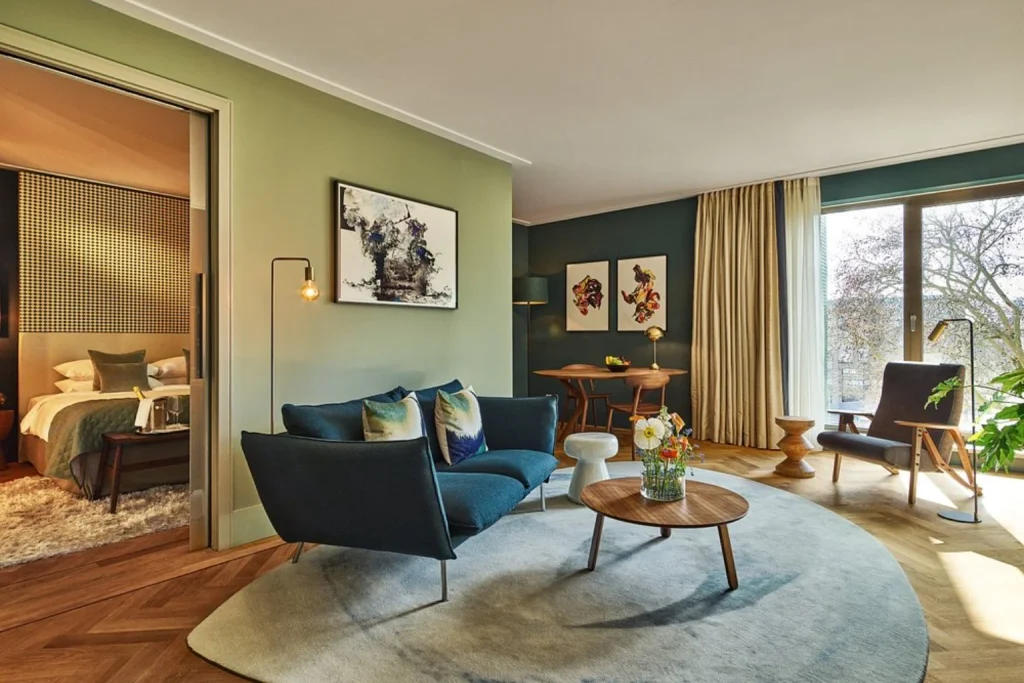
Hyatt Regency Amsterdam is a modern 5‑star hotel, certified by Green Globe and rated “Excellent” by BREEAM for its building performance.
Why We Chose It
It’s one of the city’s clearest examples of contemporary eco‑minded luxury: light‑filled interiors, greenery, and credible sustainability certifications. It’s also well suited to meetings and longer business or bleisure stays.
Best For
Travelers who value modern design, environmental performance and easy access to both the city centre and outlying business districts.
Potential Downsides
The area isn’t as atmospheric as the core canal belt or Museum Quarter. If you’re in Amsterdam for a once‑in‑a‑lifetime leisure trip and want classic canal views, this may feel more functional than romantic.
Key Highlights
- 5‑star classification with Green Globe and BREEAM Excellent
- Contemporary, plant‑filled interiors
- Strong meeting and event capabilities
- Positioned near the city’s eastern canals and residential districts
Eco‑Friendly and Sustainable Luxury Hotels
These properties are already mentioned above but are worth grouping if sustainability is a priority:
- Hotel Okura Amsterdam — Green Globe Platinum.
- The Dylan Amsterdam — Green Globe Platinum.
- Mandarin Oriental Conservatorium, Amsterdam (previously Conservatorium Hotel) — Green Globe Platinum and Positive Luxury Butterfly Mark mentioned in sources prior to rebrand; Mandarin Oriental branding continues the high‑end positioning.
- Sofitel Legend The Grand Amsterdam — Green Key Gold and EarthCheck Silver.
- De L’Europe Amsterdam — Green Key Gold.
- Hyatt Regency Amsterdam — Green Globe with BREEAM Excellent.
- Grand Hotel Amrâth Amsterdam — 5‑star with Green Key Gold, for travelers who prioritize sustainability and like historic architecture; facilities are more classic than ultra‑contemporary.
Each of these hotels treats sustainability as part of the luxury proposition rather than an add‑on, from energy and water management to waste reduction and responsible sourcing.
Neighborhood Guide: Where to Stay in Amsterdam for Luxury
Canal Belt – Iconic Views and Heritage
Why stay here
If you picture Amsterdam as canals, bridges and gabled houses, this is where to be. The canal belt (Grachtengordel) offers the richest concentration of historic 5‑star options.
Typical luxury profile
- Canal views from many rooms and suites (at a premium).
- Easy walking access to the Nine Streets, Dam Square, Jordaan and key museums.
- More independent boutiques and galleries than chains.
Key luxury hotels in or on the edge of the canal belt
- Waldorf Astoria Amsterdam
- De L’Europe Amsterdam
- The Dylan Amsterdam
- Sofitel Legend The Grand Amsterdam
- Rosewood Amsterdam
Choose the canal belt if you want pure “Amsterdam feel,” are happy to walk or take short taxis to museums, and don’t mind some tourist activity outside.
Jordaan – Boutique Charm and Culture
Why stay here
Jordaan is fashionable and village‑like, filled with independent shops, cafes and smaller galleries. Large 5‑star hotels are rare; luxury here leans toward apartments and petite boutique stays.
Typical luxury profile
- Smaller properties and design‑driven guesthouses.
- Strong local restaurant and café scene.
- Quieter residential streets compared with the Old Centre.
For pure 5‑star amenities (pools, big spas), you’ll generally stay just outside Jordaan, in the canal belt, and walk into the neighborhood.
Museum Quarter – Art and Sophistication
Why stay here
This area clusters the Rijksmuseum, Van Gogh Museum and Stedelijk. Roads are broader, buildings larger and more monumental than in the canal belt.
Typical luxury profile
- Grand hotels and reimagined institutions.
- Quick access to high‑end shopping streets.
- Slightly less canalside romance, more “cultural capital” energy.
Key luxury hotels
- Mandarin Oriental Conservatorium, Amsterdam
- The Gentlemen (from Fall 2026, on the Vondelpark side of the broader museum area)
Pick the Museum Quarter if your trip revolves around art and you like the idea of walking to major museums within minutes.
De Pijp – Trendy and Vibrant
Why stay here
De Pijp is younger, more local and foodie‑driven, with the Albert Cuyp market and countless bars and eateries. It’s slightly removed from the heaviest tourist traffic.
Typical luxury profile
- Modern tower‑style hotels with full facilities.
- Easy access to both central Amsterdam and the business‑leaning Zuid district.
- Strong dining scenes on your doorstep.
Key luxury hotels
- Hotel Okura Amsterdam (De Pijp/Zuid edge)
Choose De Pijp if you like eating out, don’t need to be right on the canals, and want a mix of local life and comfortable 5‑star facilities.
Exclusive Amenities and Experiences Offered by Luxury Hotels
Private Boat and Canal Tours
At the top end, many concierges can organize private canal cruises tailored to your interests rather than standard group tours. Typical options include:
- Smaller, covered boats with onboard drinks.
- Bespoke routes focusing on architecture, bridges or quieter canals.
- Pick‑up close to or directly in front of canalside hotels, where permitted.
Some hotels also work with operators for evening cruises timed with dinner reservations or theatre performances.
Always ask the hotel in advance whether they work with specific private boat partners, and clarify whether commentary, drinks and snacks are included or extra.
Michelin‑Level Dining and Culinary Experiences
Several Amsterdam luxury hotels invest heavily in gastronomy:
- Hotel Okura Amsterdam — widely recognized for housing multiple acclaimed restaurants, including fine‑dining concepts noted in specialist food guides.
- The Dylan Amsterdam — known for an ambitious on‑site restaurant (often highlighted by culinary media).
- De L’Europe Amsterdam — multiple venues, some with fine‑dining aspirations and canalside terraces.
Beyond restaurants, expect:
- Chef‑curated tasting menus with strong Dutch or pan‑European influence.
- Room‑service menus that go beyond basics.
- Occasional culinary events, wine tastings or collaborations, especially at hotels with strong F&B identities.
When booking, ask about current chef’s tables, tasting menus or seasonal pop‑ups; offerings change year by year.
Spa, Wellness, and Fitness Facilities
In 2026, wellness in Amsterdam’s luxury hotels leans toward urban recovery rather than full health retreats:
- Mandarin Oriental Conservatorium, Amsterdam — sources describe it as having one of the city’s largest spas, with a broad treatment and wellness offering.
- Waldorf Astoria Amsterdam — spa and indoor pool suited to post‑flight recovery and quieter downtime.
- Sofitel Legend The Grand Amsterdam — indoor pool and spa, convenient for families and leisure travelers.
- Hotel Okura Amsterdam — pool and wellness area, plus holistic add‑ons such as massage.
Some of these properties also layer in next‑gen wellness touches, such as tailored treatments or extended rituals, though not all publish full menus in detail.
If you value specific therapies (e.g., long rituals, couples’ suites, particular massage styles), request the spa brochure before booking to avoid assumptions.
Personalized Concierge and VIP Services
High‑end Amsterdam hotels increasingly compete on hyper‑personalization rather than just room size. Common services at the top level include:
- Proactive concierge planning: restaurant reservations, canal cruises, private drivers and museum tickets arranged before arrival.
- In‑room touches: customized minibars, pillow menus, and turn‑down amenities.
- Discreet VIP arrangements: airport pick‑up via trusted partners, flexible check‑in/check‑out when occupancy allows, and private use of certain spaces for meetings or small events.
Some global brands (like Mandarin Oriental and Rosewood) also link these perks to their global guest‑recognition systems, with better personalization for repeat guests.
Tips for Booking the Best Luxury Hotels in Amsterdam
When to Visit for Best Rates and Experiences
Data from 2026 booking platforms shows:
- Lowest average 5‑star rates appear in winter, especially February, with some sources reporting average base prices around $119 (excluding taxes/fees) for select properties.
- Shoulder seasons like April often combine milder weather with better value than peak summer, with some data pointing to average 5‑star prices around $173.
- Peak months such as July see much higher averages (e.g., around $461), reflecting festival season and school holidays.
- December can be among the most expensive periods (some sources cite average 5‑star rates around $613), thanks to holiday markets and New Year’s Eve.
Sunday check‑ins tend to be cheaper than Saturdays, with one source citing averages of roughly $230 vs. $515 across 5‑star properties (excluding tax and specific hotel variations).
How to Secure Upgrades and Special Packages
To maximize value without sacrificing quality:
- Book direct for flexibility and perks
Many luxury hotels offer small extras (welcome amenities, better room positions, more flexible cancellation) for direct bookings.
- Look at stay‑longer offers
Properties like Amstel Hotel advertise “stay 3 nights or longer” deals; details and rates are dynamic, but longer stays often unlock better nightly pricing.
- Leverage package deals carefully
Some upscale hotels and nearby 4‑star luxury options (e.g., Van der Valk Amsterdam Amstel) package dinners, wellness access or event tickets. These can be good value if you’d pay for the inclusions anyway, but always check what’s actually included and whether taxes and city tourist levies are extra.
- Use curated deal platforms selectively
Platforms such as ViaLuxury advertise deep discounts (up to around 70% in some promotions) for selected luxury hotels, with 2026 examples in the $269–$549 range. Scrutinize dates, room categories and inclusions, and compare against the hotel’s own offers.
- Travel mid‑week and outside major events
Big conferences, festivals and city‑wide events can dramatically raise rates. Checking Amsterdam’s event calendar before committing dates can save significant money.
Loyalty Programs and Membership Benefits
Many Amsterdam luxury hotels sit within large global groups:
- Mandarin Oriental Conservatorium, Amsterdam — benefits for members of Mandarin Oriental’s loyalty/recognition program (e.g., elite amenities) apply where relevant.
- Waldorf Astoria Amsterdam — integrated with Hilton Honors for earn/redemption, though top suites and some perks may require higher tiers or cash.
- Hyatt Regency Amsterdam and Andaz Amsterdam Prinsengracht (4‑star upper‑boutique with Green Globe Platinum) — part of World of Hyatt.
- Sofitel Legend The Grand Amsterdam — part of Accor’s ALL program.
- Hotel Okura Amsterdam — part of Okura/Nikko; check their own loyalty scheme.
If you’re brand‑loyal, the ability to earn and redeem points can meaningfully change the overall value, especially on multi‑night or repeated stays.
Combining Luxury Stays with Authentic Amsterdam Experiences
To turn a high‑end stay into something you’ll remember beyond the hotel itself:
- Pair a canalside icon with a newer property
Spend a few nights at a grand canal hotel (Waldorf Astoria, De L’Europe, Rosewood) and then switch to Mandarin Oriental Conservatorium or Hotel Okura for a more modern or museum‑centric perspective.
- Ask concierges for non‑touristy itineraries
Many luxury concierges have relationships with smaller galleries, independent shops and local guides who can arrange private art walks, studio visits or architecture tours beyond the main attractions.
- Plan a culinary route
Use your hotel as a base for exploring Amsterdam’s food scene: markets in De Pijp, contemporary bistros in Jordaan, and fine dining either in‑house (Okura, Dylan, De L’Europe) or via the hotel’s recommendations.
- Book early‑morning or late‑evening museum slots
Combine central locations (Museum Quarter or canal belt) with quieter entry times at major museums, so you can enjoy the city’s cultural highlights without the heaviest crowds.
- Leave time for simple canal life
Even with a full schedule, plan at least one unstructured evening by the water—whether that’s a terrace drink outside De L’Europe, a stroll from the Dylan through the Nine Streets, or a low‑key cruise arranged by your hotel.
How We Selected These Hotels
For this guide, hotels were selected based on:
- Verified 5‑star or clear ultra‑luxury positioning in 2026.
- Location suitability for high‑end leisure and business travel, with emphasis on the canal belt, Museum Quarter, De Pijp/Zuid edge and central districts.
- Track‑record or clear intent of premium service, as reflected in brand reputation, heritage status or specialist travel coverage.
- Confirmed facilities relevant to luxury travelers: spa or pool where documented, strong dining, concierge services.
- Sustainability credentials, especially Green Globe, Green Key and EarthCheck certifications.
- 2026 relevance, including major rebrands (Mandarin Oriental Conservatorium), openings (Amsterdam EDITION, The Gentlemen) and recently opened properties (Rosewood Amsterdam).
Only features and strengths supported by source data were included. Where details like exact spa menus or restaurant counts weren’t clearly documented, they were not specified.
Why These Hotels and Not Others?
The hotels covered here met a higher bar than simply “popular” or “highly rated”:
- They either hold clear luxury status (five stars or equivalent) or are positioned by credible travel and industry sources as part of Amsterdam’s uppermost tier.
- They offer strong locations for affluent travelers—whether canalside, park‑adjacent or within cultural hubs.
- Several of them carry recognized sustainability certifications, reflecting the growing importance of eco‑conscious luxury in 2026.
- Recent openings and rebrands were prioritized so the guide reflects the current landscape, not just long‑established names.
Some well‑liked 4‑star or “upper upscale” hotels, including design properties and corporate brands, were not featured because they don’t clearly sit in the same luxury bracket as the hotels above. Others may be excellent but lack either standout facilities, strong sustainability credentials, or a particularly compelling location for this specific guide.
FAQ: Luxury Hotels in Amsterdam
What is the best luxury hotel in Amsterdam right now?
For most travelers seeking a classic, full‑service luxury stay with canalside prestige, Waldorf Astoria Amsterdam is a strong first choice. For a more contemporary, art‑driven alternative, Mandarin Oriental Conservatorium, Amsterdam stands out after its 2026 rebrand.
Which Amsterdam luxury hotels are best for couples?
Couples usually gravitate toward Waldorf Astoria Amsterdam, The Dylan Amsterdam, De L’Europe Amsterdam, and Rosewood Amsterdam for their canalside locations, refined rooms and strong dining. For design‑forward couples, Mandarin Oriental Conservatorium is also compelling.
Are there eco‑friendly luxury hotels in Amsterdam?
Yes. Hotel Okura Amsterdam, The Dylan, Mandarin Oriental Conservatorium (via longstanding certifications), Hyatt Regency Amsterdam, De L’Europe and Sofitel Legend The Grand all hold recognized sustainability certifications such as Green Globe Platinum, Green Key Gold or EarthCheck.
What is the newest luxury hotel in Amsterdam for 2026?
The most significant new luxury opening scheduled for 2026 is Amsterdam EDITION, planned for Summer 2026 near Leidseplein with around 200 rooms. Mandarin Oriental Conservatorium, Amsterdam is a major 2026 rebrand and renovation, while Rosewood Amsterdam opened in May 2025 and remains the newest fully operational grand luxury hotel.
Which neighborhood is best for a first luxury stay in Amsterdam?
For a first visit, the canal belt offers the most iconic experience, with hotels like Waldorf Astoria, De L’Europe, Rosewood and The Dylan. If you’re focused on art, the Museum Quarter with Mandarin Oriental Conservatorium is ideal. Food‑lovers and repeat visitors often enjoy De Pijp with Hotel Okura.
How much do five‑star hotels in Amsterdam cost in 2026?
Sources tracking 2026 rates suggest typical 5‑star nightly prices around €450–€1,200+, with canal‑view or historic luxury rooms often higher, and averages shifting by season. Winter months show the lowest rates; peak summer and December are most expensive. Prices vary by hotel, room type, and booking channel and usually exclude taxes and city levies.
Are Amsterdam’s luxury hotels worth the premium compared to 4‑star options?
If you value location, service, spa access, sustainability credentials and strong dining, the step up can be worthwhile. Five‑star hotels more often offer canal or park views, full concierge teams, better soundproofing and more polished design. If you mainly need a clean base and plan to spend little time in the hotel, an upper‑upscale 4‑star may suffice.
Conclusion
Amsterdam’s luxury hotels differ sharply in feel: canal palaces vs. modern towers, big‑brand consistency vs. independent character, classic vs. cutting‑edge design.
For a quintessential canalside stay, look first at Waldorf Astoria Amsterdam, De L’Europe, The Dylan and Rosewood. For art and design plus serious wellness, Mandarin Oriental Conservatorium leads the 2026 pack. If eco‑credentials and food matter most, Hotel Okura and other certified properties are strong bets.
Before you book, decide what you care about most—view, neighborhood, spa, dining, sustainability, or privacy—then compare 2–3 hotels on that dimension rather than chasing the broadest “best.” That’s how you’ll find the Amsterdam luxury stay that actually fits the way you like to travel.

Alison is a travel writer passionate about solo adventures, photography, and memorable getaways. She loves discovering beautiful destinations, distinctive stays, authentic local experiences, and hidden gems, creating stories that help curious travelers explore beyond the usual tourist highlights. Her work has been featured in Forbes, CNN, Travel + Leisure, Yahoo, and other major outlets.